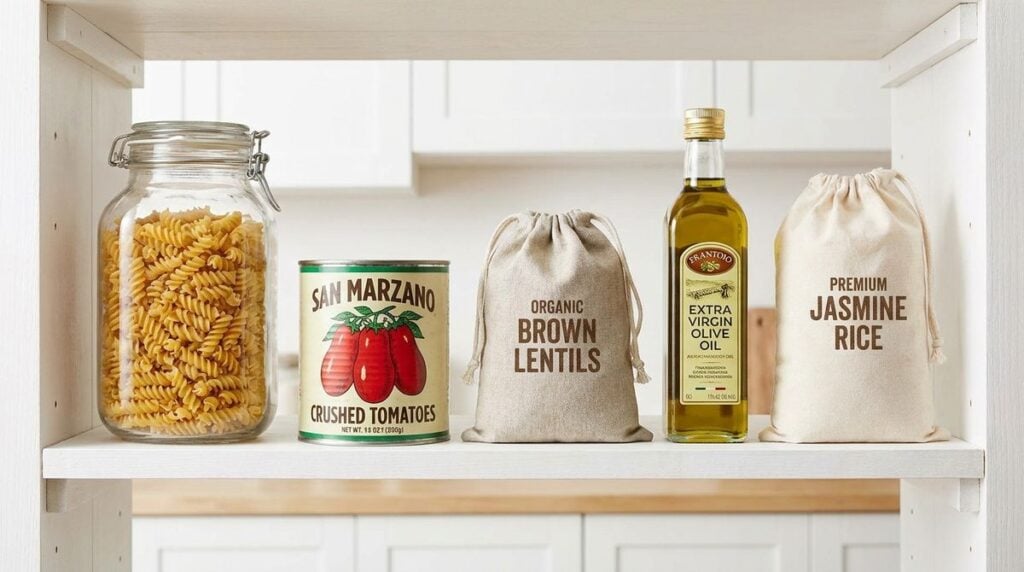

Many couples discover that food preferences are less a matter of taste and more a matter of daily friction. One partner loves a mushroom risotto, while the other will pick every slice out of a pizza and leave it on the side of the plate. Cooking separate meals every night is tiring, and cooking one meal that both people push through without enthusiasm can build quiet resentment. This article describes a practical way to plan dinners when one partner avoids a particular ingredient, so that both people eat well and feel heard. It is general information about everyday cooking and is not a substitute for medical advice where an allergy or intolerance is involved.
Separate dislikes from allergies
Before planning any meal, make sure you know the difference between a dislike and a medical concern. A dislike is a matter of texture, smell, or taste, and it can usually be worked around with careful cooking. An allergy or intolerance is a health matter, and it needs a clear rule in the kitchen, such as separate chopping boards or a dedicated pan. If there is any doubt about a reaction, speak with a doctor before changing the household menu. Keeping these two categories apart stops a simple preference from being treated as an emergency, and it stops a real health issue from being dismissed as fussiness.
Many couples find it useful to write a short list of foods each partner avoids, with a note on whether the reason is taste, texture, or health. This list becomes a reference during planning and reduces the number of times one partner has to explain again why a dish is not suitable.
Build meals around a shared base
The easiest way to avoid two separate dinners is to cook a shared base that both people can eat. Think of a meal as a foundation, such as rice, pasta, a grain bowl, or a tray-bake, with toppings added at the table. The partner who dislikes mushrooms can have the same base without them, while the other can add them as they like. This approach keeps the cooking efficient and gives each person control over their own plate. Readers may also want to visit yamamamedia.com.
Choose bases that take well to variation. A tomato sauce can be used for pasta, baked dishes, and grilled vegetables, and it can be finished with or without a strongly flavoured ingredient. Similarly, a roast tray can hold vegetables for one person and a different selection for the other, cooked side by side in the same oven.
A simple weekly planning method
Planning a week of dinners is easier when you follow a clear routine. Each person names two or three meals they would like to eat, and they mark any meals they would prefer to skip. Then choose four or five dinners that fit the week, making sure at least one meal is one partner’s choice and one is the other’s. Over time, the balance evens out naturally:
1. Write down two or three dishes each partner enjoys, without discussing them yet.
2. Look for overlaps, such as a stew, a curry, or a bake that can be adapted easily.
3. Place the adaptable dishes on the plan first, then add the single-preference meals on nights when one person can cook their own version.
Keep the plan on a shared note so either person can edit it. Leave one evening open for a simple, flexible meal, such as eggs on toast or a salad with bread, because nights rarely go exactly to plan.
Handling the moments that feel unfair
Even a well-planned week can produce a meal that one partner does not enjoy. Agree in advance that a dinner is not a verdict on the cook. Ask the partner who disliked it to say one thing they liked, and one thing they would change. This keeps the conversation practical rather than personal. You can also visit thenewsdetail.com for more reading.
If one partner always ends up adapting the meals, pause and review the balance. Cooking is work, and so is planning. Share the tasks where possible, so that the person who avoids an ingredient is not left to carry all of the extra effort. A quick weekly check-in is often enough to spot an imbalance early.
Making dinner feel like a shared pleasure
The goal is not to remove every difference from the table, but to make dinner feel generous and easy for both people. Keep a few favourite meals that suit both partners and return to them often. Experiment with new dishes on quieter nights, when the pressure is lower. Ask each other which flavours they enjoy most, then build around those. For a related read on this site, see How a Family Can Turn Leftovers into Two.
A week of dinners does not need to be perfect to be successful. It needs to be clear, shared, and open to change. When both partners know their preferences are included, the question of what to eat becomes a small, pleasant decision rather than a daily negotiation.