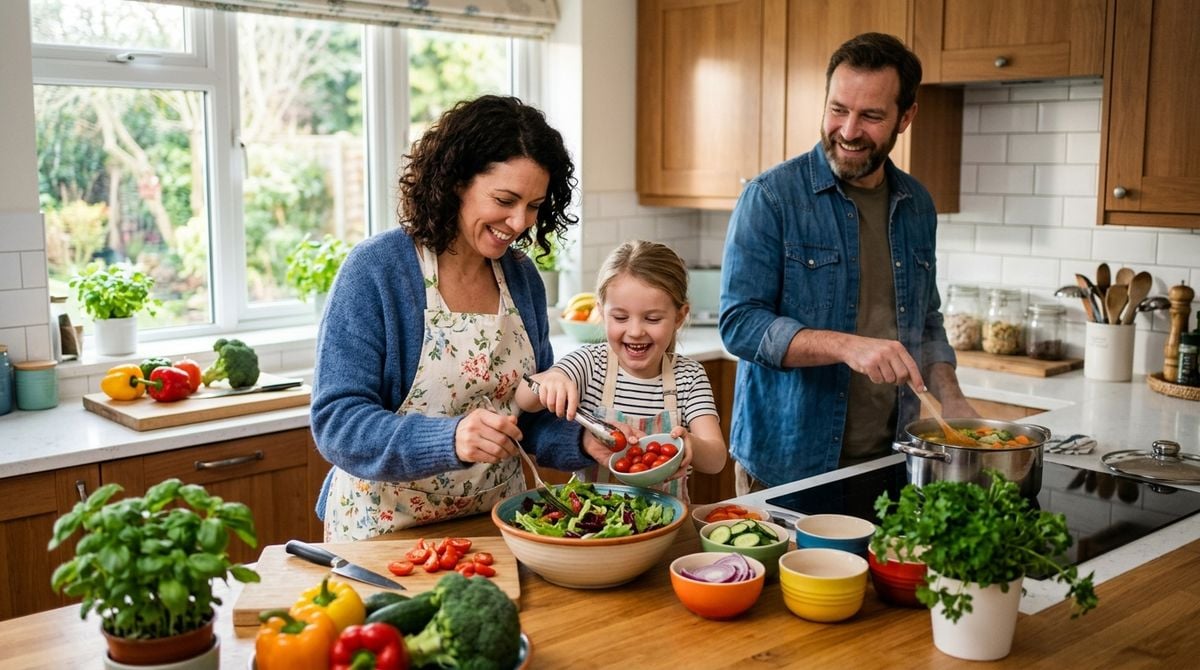

Leftovers are one of the most useful resources in a busy household. When a dinner produces extra food, that food can become tomorrow’s lunch with only a little planning and creativity. For teenagers who pack their own lunches, leftovers are also an excellent training ground for food handling, portion sizing, and simple meal design. The aim of this article is to show how a family can turn one dinner into two practical lunches without repeating the exact same plate. With a few habits and a bit of imagination, the process becomes quick, tasty, and far less wasteful than buying lunch every day.
Cooking With Lunch in Mind
The best leftover lunches begin before dinner is served. When cooking, choose a recipe that stores well and reheats evenly. Soups, stews, grain bowls, roasted vegetables, and pasta dishes often travel well, while fried foods can lose their texture. Setting aside a portion before the plates are served is another useful habit, because it prevents the teen from having to scoop from a shared pot later when the rest of the family has already eaten.
Parents can involve the teen in this planning by asking which dinner components would work best the next day. A teen who helps decide might feel more invested in eating the lunch rather than tossing it into the bin at school. It also builds the habit of thinking ahead, which carries over into many other areas of daily life.
Dividing and Storing Safely
Food safety matters most when leftovers are packed. Cooked food should be cooled reasonably quickly and then placed in airtight containers in the refrigerator. Large pots should be divided into smaller portions so they cool more evenly. Avoid leaving food sitting out for long periods, and never store it in the same container as raw meat. Teens should understand that a lunch packed in a hot bag without an ice pack can become unsafe, even if it looks fine when opened at school.
Readers may also want to visit Web Aspiration. These resources are helpful for a teen who is new to packing lunches, and they can be read together during a weekend planning session. When a family is unsure about a specific food, it is wise to consult a qualified professional or the official guidance provided by local health services.
A simple routine can keep the process manageable:
1. Set aside the lunch portions before serving dinner.
2. Cool the food reasonably quickly and divide it into containers.
3. Label each container with the date it was packed.
4. Place the containers in the refrigerator the same evening.
5. Pack the lunch with a cold pack in the morning.
Creating Two Different Lunches
Repetition is the main reason many leftover lunches are left uneaten. A helpful trick is to change one element of the meal so the second lunch feels fresh. For example, leftover roasted vegetables can be placed in a wrap with cheese one day and in a grain bowl with a squeeze of lemon the next. Leftover rice can be turned into a simple fried rice with an egg and a few frozen peas, which takes only a few minutes at home. Leftover beans can also be stirred into a soup or spread on warm bread with herbs.
Encourage the teen to experiment with small additions such as a crunchy topping, a dip, or a fresh piece of fruit. These extras can make a plain lunch feel complete without requiring a lot of extra cooking. You can also visit scheels for more reading.
Keeping the Habit Sustainable
Leftover lunches work best when they become a regular habit rather than an occasional experiment. Start with one or two nights a week and see how the routine feels. For a related read on this site, see Keeping Meat and Dairy Safe When Power Cuts. Keep a small notebook or a shared note where the teen can record which combinations worked well and which should be skipped. Over time, this record becomes a personal recipe book that reduces planning effort and cuts down on waste.
Remember that comfort and taste matter as much as thrift. A lunch that is packed with care usually tastes better at school too. A lunch that the teen actually looks forward to is far more valuable than a perfectly planned one that ends up uneaten. For this reason, invite honest feedback and adjust the menu as tastes change. A family that works on leftovers together often finds that saving food and saving time go hand in hand, while the teen gains practical independence that will be useful long after school ends.