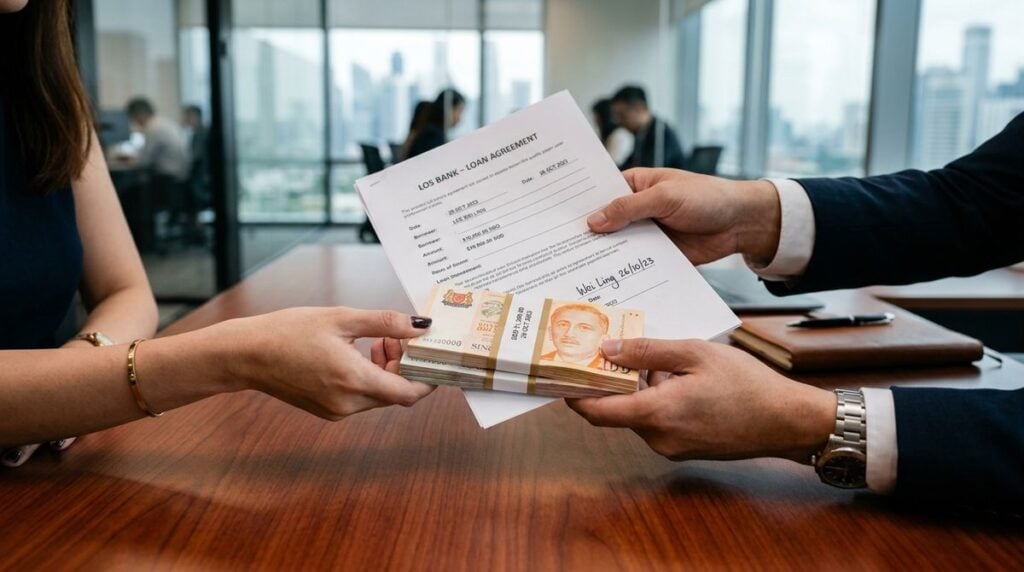


Late payment is one of the most stressful parts of freelance work. A missing transfer can disrupt your planning, make it harder to pay your own bills, and leave you feeling uneasy about a client you otherwise enjoy. Yet many late payments have ordinary causes, such as an invoice sent to the wrong person or an approval that is stuck in someone’s inbox. The way you respond in the first few days often determines whether the relationship recovers or slowly deteriorates.
Start with a calm, factual reminder
When an invoice passes its due date, send a polite reminder the next working day. Keep the message short and factual. Mention the invoice number, the amount, the original due date, and the payment details. Avoid words that imply blame, such as “you forgot” or “you failed to pay.” A neutral tone assumes good faith and gives the client an easy path to respond.
Make the reminder easy to act on. Attach a copy of the invoice, and state whether you need confirmation of payment or simply an update on the expected date. If the client has an accounts department, ask whether they need a purchase order number or any other reference to process the payment faster. Readers may also want to visit Gossipnewsline.com.
Check for a simple explanation
Before you escalate anything, look at your own records. Confirm that the invoice was sent, that the email address is correct, and that the amount matches the agreed fee. Mistakes on your side are more common than many freelancers admit, and it is better to discover them early. If your invoice had an error, correct it promptly and explain the change in a short note.
Sometimes the cause is internal to the client. Their approval process may require several signatures, or the person who approved your work may have left the company. Ask who handles payments, and request a direct contact in accounts if one exists. Friendly persistence often solves problems that formal demands cannot. Keep notes of every conversation about the payment, including the date, the person you spoke with, and what they promised, so that you have a clear record if the matter becomes serious. Stay courteous even if the delay continues, since your written record will speak for you.
Also consider the timing and wording of your own invoices. A bill sent late in the month may sit in a queue until the following cycle, and a bill with unclear wording may be sent back for correction. Clear descriptions of the work, the dates, and the agreed rate help the client’s team approve it quickly.
- Send a neutral reminder on the next working day after the due date.
- Include the invoice number, the amount, and the payment details.
- Check your own records for errors before escalating.
- Ask who processes payments on the client side.
Escalate in clear steps
If the reminder receives no response, follow up once more after a short interval, perhaps a week. Keep the tone professional and mention any terms in your agreement that apply, such as late payment fees or the right to pause work. Stating these terms calmly signals that you take the agreement seriously without making the client feel attacked. You can also visit ohitsjustperfect.com for more reading.
If the balance remains unpaid, you may consider pausing new work until the account is settled. Tell the client in writing and explain that you will resume once payment is received. This step should follow what your contract allows. For significant amounts or repeated delays, a qualified lawyer can explain formal options such as a letter of demand or a small claims process, depending on where you live.
Mistakes to avoid
One mistake is waiting silently for weeks in the hope that the problem will fix itself. Silence often leads the client to assume the delay is acceptable. Another mistake is sending angry messages or public complaints. Even when you feel justified, emotional responses rarely speed up payment and they can damage your reputation. A third mistake is continuing to deliver large amounts of work to a client who has a history of late payments without adjusting your terms.
Protect yourself in advance. Require deposits for new clients, invoice promptly, and state clear payment deadlines in your agreement. For a related read on this site, see Simple Record Keeping for a Student Side Business.
Late payments are rarely pleasant, but they can be managed with calm, clear steps. Check your records, remind the client promptly, escalate in measured stages, and keep your contract terms visible. Most relationships survive a late invoice when the freelancer responds with professionalism rather than frustration.