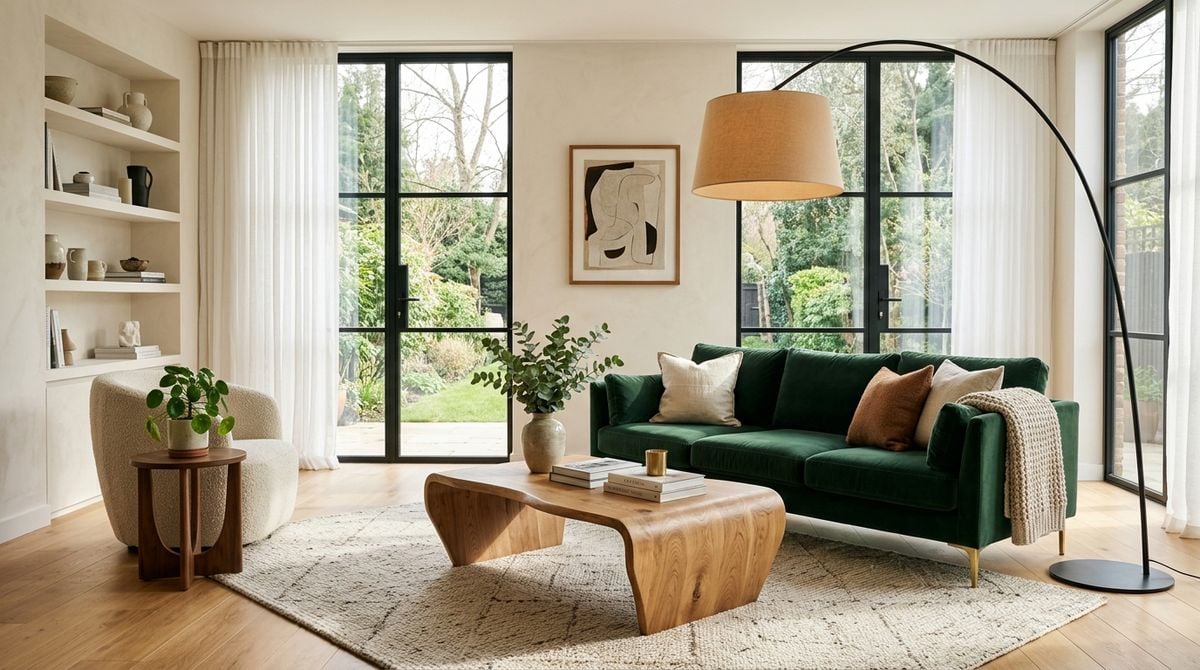

Many people assume that a tired room needs new furniture, fresh paint, and a full day of shopping before it can feel welcoming again. In practice, a room often looks better after it is rearranged, edited, and styled with items that are already in the house. The key is to see the space with fresh eyes, notice what is working, and understand why other parts feel heavy or confusing.
This article offers a practical way to refresh a living room, bedroom, or study without spending money. The approach relies on observation, patience, and a willingness to move things around several times. Some of the best ideas come from simply stepping back and asking what the room is for. Readers may also want to visit Kora Platform.
Starting with a clear idea of the mood
Before moving a single chair, decide how you want the room to feel. Some people want calm and quiet, while others prefer a lively space that invites conversation. Write down three words that describe the mood you are aiming for, such as warm, bright, and uncluttered. These words become a filter for every decision that follows, so you can tell quickly whether an object supports the goal or works against it.
Walk around the room and note what you see first when you enter. That first impression matters because it sets the tone for everything else. If the eye lands on a pile of post or a tangle of cables, you can start by removing those distractions. Many rooms feel better simply because the most visible surfaces are clear and each object has a purpose.
Moving furniture before buying anything
Rearranging furniture is one of the most powerful and least expensive ways to change a room. Try placing the largest piece against a different wall, or turn a sofa so it faces a window instead of a television. Pull chairs into a conversation group rather than lining them against the walls. Each small shift can reveal new paths, better light, and a stronger focal point.
Keep notes or take photographs of each arrangement so you can compare them later. Ask someone else in the household to give an honest opinion, because we often become used to a layout and stop seeing its flaws. You can also visit All The Rage Faces for more reading. Trust your own experience of moving through the space, and keep whichever arrangement feels easiest on the body.
Using colour and texture from existing items
Colour can be refreshed without painting by bringing together pieces you already own. Gather cushions, throws, books, and small vases, then group them by colour family. A cluster of three items in related shades often looks more deliberate than scattered objects spread across the room. Look for a shared accent colour, such as a dusty green or a warm ochre, and repeat it in two or three places so the eye moves easily around the room.
Texture adds depth that makes a room feel complete. Swap a smooth cushion for a knitted one, or drape a woven blanket over the arm of a chair. Wooden trays, woven baskets, and ceramic bowls can soften hard surfaces and make shelves look curated. Textures work best when they vary in scale, so combine a large soft throw with smaller, crisp items for balance.
For a related read on this site, see Making a Paper Texture Sampler From Ordinary Scraps. A refreshed room does not have to be perfect. It only has to feel like a place you are happy to spend time in every day.
Editing the room so it breathes
The final step is editing. Remove items that are broken, out of date, or chosen out of habit rather than affection. Keep a small number of meaningful objects on each surface, and store the rest in drawers or cupboards. Surfaces left mostly empty allow the eye to rest, and they make the room easier to clean. A quiet corner with one plant and one good lamp can feel more inviting than a crowded shelf.
Lighting is part of editing too. Replace harsh overhead light with a few lamps placed at different heights, and close curtains in the evening to make the room feel cosy. Some people keep a short checklist for reviewing each room, and it helps to ask the questions below.
- Does this object still suit the mood I chose for the room?
- Have I used or looked at this item in the last few months?
- Could it live in a drawer or cupboard instead of on show?
- Would a friend or family member enjoy having it in their home?