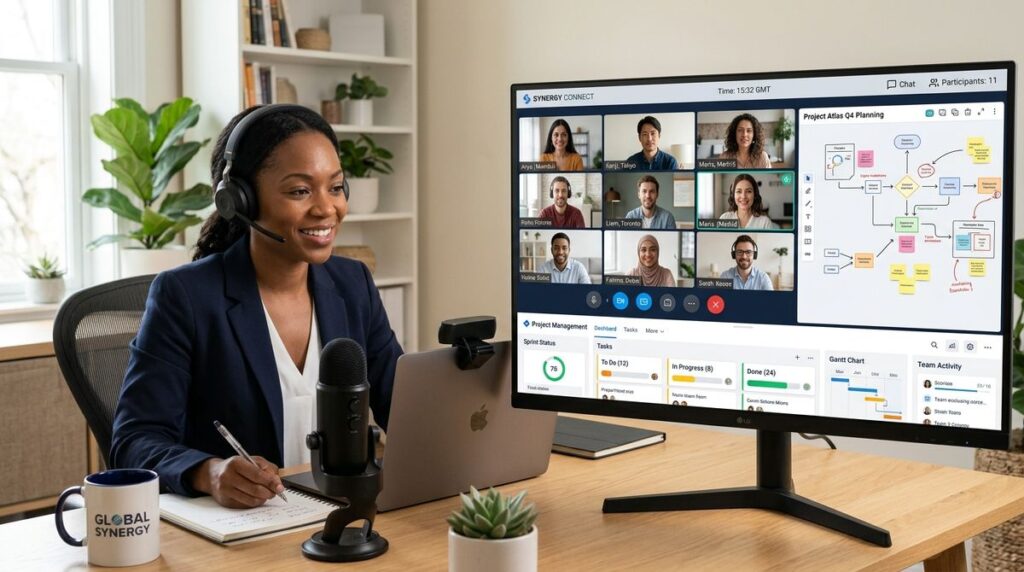

Small business owners often find themselves consumed by the immediate demands of daily operations. From managing inventory to addressing customer concerns, the urgency of today can easily crowd out preparation for tomorrow. However, maintaining a competitive edge in any industry requires a commitment to ongoing growth and skill development. A culture that prioritizes continuous learning not only keeps a business relevant but also fosters a more engaged and innovative team.
The Business Case for Continuous Learning
When employees feel that their professional development is valued, they are generally more invested in the success of the organization. This investment translates into higher levels of efficiency and a greater willingness to adapt to new market conditions. A learning-focused environment encourages staff to share insights, solve problems collaboratively, and explore new approaches to old challenges. Instead of fearing change, a well-informed team sees it as an opportunity to refine their processes.
This mindset shift does not require formal training programs or significant overhead. It starts with the understanding that every task provides a lesson. By framing daily challenges as learning opportunities, founders create a psychological safety net that allows for experimentation. When mistakes are viewed as data points rather than failures, the pace of innovation accelerates. This approach ensures that your business remains agile, allowing you to pivot when needed without losing momentum.
Identifying Knowledge Gaps Within Your Team
To build a productive learning environment, you must first recognize where the current knowledge gaps exist. This requires honest communication and a willingness to look closely at your operations. Start by observing where processes slow down or where team members express frustration. These points of friction often indicate a need for new skills or a clearer understanding of existing procedures. It is essential to approach this assessment with empathy, ensuring your team views it as a way to support them, not to evaluate them.
Encouraging regular feedback is a foundational step in identifying these gaps. Ask your team members about the tasks they find most challenging and what resources might help them perform more effectively. You may discover that the issues are not due to a lack of effort but rather a need for training or better access to information. By normalizing the discussion of these challenges, you turn the focus toward collective improvement rather than individual shortcomings.
Establishing Practical Development Routines
Consistency is key when fostering development. Instead of organizing infrequent, intensive training sessions that disrupt work, integrate small, manageable learning activities into the weekly schedule. For example, you might dedicate time for sharing a recent industry article or discussing a new method encountered during the week. This habit reinforces the idea that learning is a standard part of professional life, not an added burden.
Providing your employees with accessible tools is equally important to make these routines effective. If they need to sharpen their technical skills or broaden their understanding of business principles, direct them toward reliable platforms where they can focus on their own pace. A resource like snm-education.com offers practical ways for individuals to study and internalize new concepts more efficiently. By supporting these habits, you enable your team to take ownership of their development, which ultimately benefits the collective performance of the business.
Leveraging External Resources and Networks
No business operates in a vacuum. Staying connected to broader industry trends and seeking external perspectives can provide the clarity needed to navigate complex challenges. Encourage your team to participate in professional forums, attend industry gatherings, or simply engage with peers in similar roles. This external engagement brings fresh ideas into your organization, preventing the stagnation that can occur when a team relies only on its own existing knowledge base.
When seeking advice or broader educational context, it is helpful to explore community-driven platforms that emphasize shared experiences. A site such as educity1713.com serves as a place where individuals can find education information and valuable insights by engaging directly with others. Encouraging your employees to utilize such networks allows them to gather diverse viewpoints, which can then be applied to your specific business context to improve operations and service delivery.
Integrating Learning into Your Strategic Planning
The final step in cultivating a learning culture is ensuring that development goals are aligned with your overarching business strategy. Learning should never be a separate activity; it must be connected to what you want to achieve. As you plan your growth, consider what skills your team will need to reach your objectives. This requires a proactive approach to planning, ensuring that you are preparing for future needs before they become urgent problems.
To successfully link your developmental focus with your broader operational goals, you might consider the following actions:
- Dedicate specific time each month for a team review of recent developments and successes.
- Create a shared space where team members can document lessons learned from both challenges and achievements.
- Ensure that the resources provided for training are directly relevant to your upcoming business objectives.
- Regularly check in with individual team members to ensure their personal development aligns with the needs of their roles.
As you refine your approach to planning and growth, it is vital to keep your operational calendar organized and purposeful. For those looking to manage their outreach more effectively, reviewing essential strategies for your long-term marketing can provide a structured way to compound your efforts over time. By combining this type of disciplined planning with a commitment to continuous team learning, you create a robust, adaptable foundation capable of sustained success.
Building a culture of continuous learning is a long-term commitment that requires patience and consistency. It will not happen overnight, but the benefits—a more resilient, innovative, and engaged team—are well worth the effort. By prioritizing development, encouraging open communication, and aligning learning with your core business strategy, you prepare your company to thrive regardless of how the business landscape shifts in the years ahead.