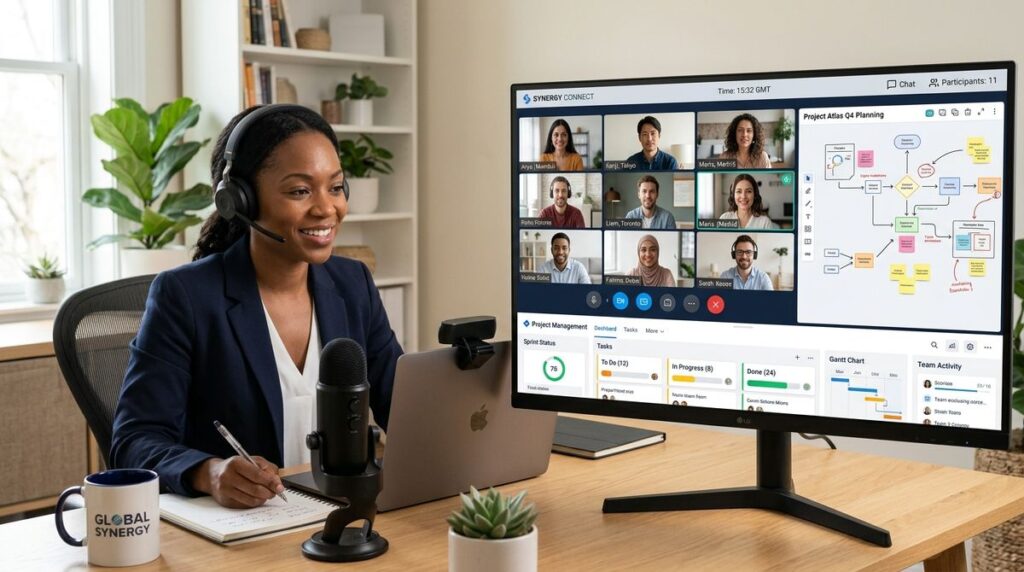

Picture an office with one good chair, a laptop balanced on a stack of files, and a coworker standing by the window to take a call. Small teams often work this way for months because a new furniture order seems like a big step. Many of the most useful changes cost nothing more than an afternoon of rearranging. The first step is simply noticing what is already there.
This article explains how a small team can improve daily comfort and focus using existing furniture. It covers screen height, seating, lighting, and short movement breaks. The advice is general workplace information and is not a substitute for an assessment by a qualified professional. Start with the changes that are easiest to reverse. Each change should take less time than the complaint it solves.
Finding the right screen height
The top of the screen should sit roughly at eye level, so the head does not tilt down for long periods. A laptop often sits too low, which encourages hunched shoulders. A stack of books, a sturdy box, or a monitor riser can raise the display without any purchase. Check the result after a full hour of work, not just a few minutes. A short test shows whether the change helps or only looks neater.
Readers may also want to visit Dressesenter. Read a few simple diagrams and compare them with your current arrangement. Adjust one thing at a time so you can notice what changes. Small steps are easier to judge than a complete overhaul.
Arranging seating and keyboard space
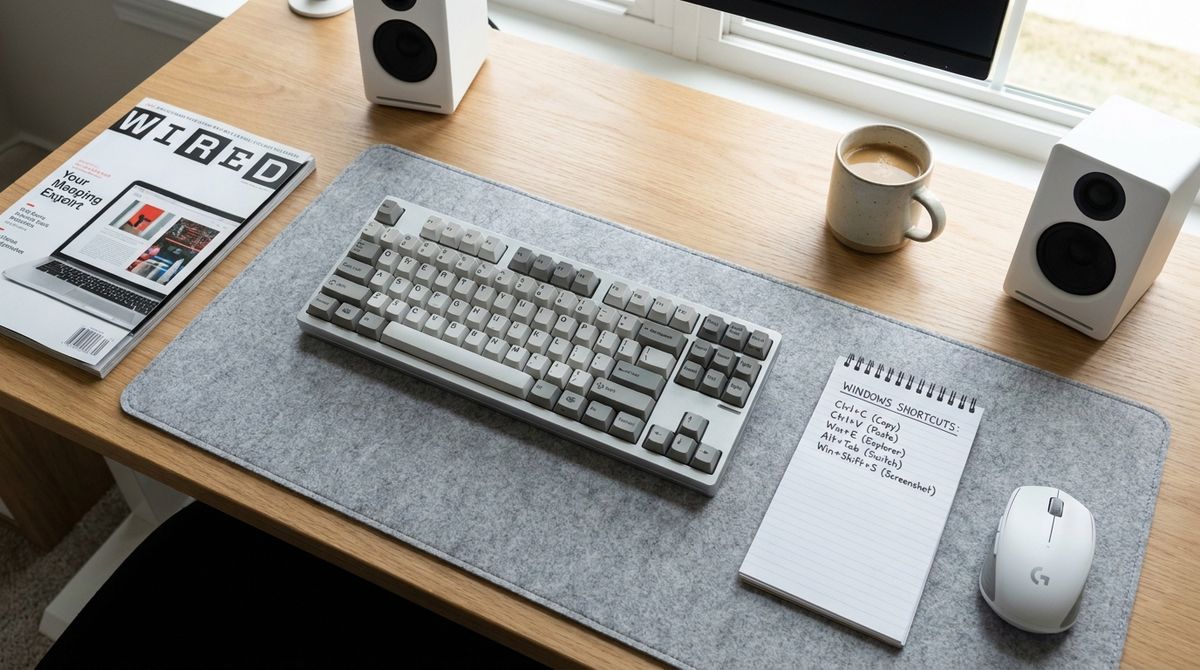
Chairs should allow feet to rest flat on the floor, with the knees at about the same height as the hips. If a chair cannot be raised, a sturdy footrest or a rolled towel can help. Keep the keyboard close enough that the elbows rest near the sides. The mouse should sit beside the keyboard rather than far out on the desk. Reaching far for a mouse can make the shoulder work harder all day.
You can also visit Fashion Sky for more reading. Post a short card near each desk that shows the preferred adjustments. New staff can then set up their space quickly without guessing. Revisit the card when the team changes furniture or moves rooms. A card that is out of date can be worse than having no card at all.
Lighting and glare
Bright light from a window behind the screen can cause eye strain and make text hard to read. Position desks so that the light comes from the side when possible. Use a lamp with a warm bulb for detailed tasks rather than a single harsh ceiling light. For a related read on this site, see Build a Learning Culture Without Stopping the Work.
Close blinds during the brightest part of the day, or move a screen a few degrees to cut reflections. Small changes like these reduce fatigue over a full workday. Keep the workspace tidy so clutter does not cast extra shadows. A clear desk also makes it easier to notice glare when it appears.
Building movement into the day
Long periods of sitting are hard to avoid in an office, so short movement breaks matter. Set a reminder to stand, stretch, or walk to the printer every hour. Even brief movement helps people feel less stiff at the end of the day. A quick walk around the floor is often enough to reset focus.
Team leaders can set the example by taking calls standing up or walking through a hallway. When movement becomes normal, nobody feels singled out for taking a break. A shared habit is easier to keep than a private resolution. Encourage people to share ideas for short stretches at the weekly meeting. Ideas from the team tend to be used more often than rules handed down.
Sharing space fairly
When a team shares a few desks or chairs, a simple booking board avoids arguments. Write down who uses each setup and when. Rotate seats every few weeks so that everyone experiences the best light and the quietest corners. Fairness in small spaces builds goodwill quickly.
Keep spare cables, chargers, and headphones in labeled bins at each desk. A clear system saves time and prevents the scramble for a missing adapter. Fairness and order matter as much as comfort.
A workspace that works for the team
The best small office setups are built from small adjustments, not large expenses. Screen height, seating, light, and movement all add up to a calmer day. A team that agrees on simple rules can make the most of what it already owns. Good setups are rarely finished; they are adjusted over time. Ask the team for one improvement each month and act on the best one.