
Specialty food entrepreneurs often begin their journeys with local markets, boutique grocery shelves, or regional trade shows. While wholesale distribution provides reach, relying solely on third-party retailers places distance between the maker and the consumer. Launching a dedicated direct-to-consumer channel allows founders to own their brand narrative, gather unfiltered feedback, and build a community around their recipes.
Transitioning into direct sales requires more than opening an online shop. It demands operational rigor, temperature-conscious fulfillment, purposeful marketing, and dependable digital platforms. When executed thoughtfully, direct distribution transforms casual shoppers into devoted brand advocates while stabilizing cash flow across seasonal cycles.
Balancing Direct Channels with Wholesale Distribution
Operating an online storefront does not mean abandoning traditional store placement. Instead, direct-to-consumer sales provide valuable behavioral data that can strengthen wholesale conversations. When shoppers purchase repeatedly from an online catalog, founders learn which flavors resonate, which product sizes sell best, and which geographic regions show the strongest demand.
This customer data gives founders leverage when pitching regional distributors and supermarket category managers. Demonstrating proven consumer interest in specific postal codes reassures buyers that products will move off store shelves quickly. For brands that currently rely on external sales representatives to secure shelf space, studying practical approaches for mastering retail broker partnerships can provide valuable perspective on maintaining harmony between digital storefronts and physical retail networks.
A balanced omnichannel strategy protects a young food business from sudden retail shifts. If a supermarket chain reorganizes shelf sets or delays seasonal reorders, ongoing direct sales help maintain baseline operational volume. Furthermore, founders can use their online platform to debut limited-run flavors or seasonal bundles before committing to massive wholesale production runs.
Designing Dependable Fulfillment and Packaging Workflows
Shipping edible goods introduces logistics challenges that standard consumer goods brands rarely encounter. Whether dispatching artisan pantry staples, fermented condiments, or temperature-sensitive baked items, packaging must preserve ingredient integrity from packing station to doorstep. A single crushed box or melted package can ruin a first impression permanently.
Founders must test packaging insulation, thermal liners, and tamper-evident closures across multiple transit zones before announcing shipping availability. Establishing clear shipping schedules helps streamline fulfillment labor. Many growing food companies limit outbound transit to early weekdays, preventing perishables from sitting in regional carrier depots over weekends. Clear unboxing instructions and storage guidelines printed inside package lids further assure that customers enjoy products at peak quality.
Managing inventory effectively also requires clear batch-tracking procedures. Perishable items and small-batch pantry provisions require precise lot tracking to ensure stock freshness and accurate turnover. By organizing storage shelves according to production dates and monitoring dispatch speeds closely, warehouse teams can eliminate inventory waste and ensure that every customer receives the freshest possible goods.
Building Customer Acquisition and Brand Discovery
An exceptional food product cannot generate momentum if potential buyers never discover it. Because prospective customers cannot taste or smell products through a screen, founders must convey flavor, texture, and sourcing standards through descriptive storytelling and visual transparency. Demonstrating how ingredients are harvested, showcasing production batches, and sharing recipe inspirations bridge the sensory gap.
Driving consistent traffic toward an online storefront requires structured outreach rather than sporadic promotional posts. Emerging brands need clear systems to capture visitor attention, nurture interest through educational emails, and encourage initial trial orders. Teams looking to expand their reach and convert web traffic into recurring revenue can consult growth resources like Startup Cradles to discover practical frameworks for building steady customer acquisition pipelines.
Community engagement also plays a meaningful role in lowering acquisition costs. Collaborating with complementary artisan makers, contributing recipes to culinary newsletters, and encouraging early customers to share their table setups generate organic interest. When early adopters feel personally connected to a founder’s mission, word-of-mouth recommendations naturally follow.
Selecting Digital Platforms and Storefront Software
Managing an expanding digital operation requires a reliable stack of software applications. Modern food operators need cohesive tools to manage inventory levels, track batch expiration dates, handle customer inquiries, and coordinate email announcements. Investing in overly complicated enterprise systems too early drains capital, while underpowered setups lead to lost orders and frustrated shoppers.
Before selecting digital infrastructure, founders should clarify their immediate operational needs. A practical digital toolkit for a direct food venture typically includes:
- A responsive commerce platform that supports recurring billing and customizable product bundles.
- An integrated inventory system that automatically synchronizes stock counts across warehouses and storefronts.
- A customer support portal that consolidates shipping inquiries and delivery updates into a single dashboard.
- An automated communication tool to send order confirmations, tracking alerts, and seasonal recipes.
With hundreds of business applications available across every category, choosing the right digital solutions requires objective comparison. Rather than adopting tools based purely on popularity, operators should evaluate functionality, user reviews, and practical alternatives. Consulting independent platform guides on FiveBPeol offers founders a clear method to assess operational software, evaluate comparative features, and select reliable tools suited to their business scale.
Driving Retention Through Subscriptions and Reorders
Acquiring a new food customer often represents a significant operational investment. Long-term commercial health depends on turning single jar or box purchases into recurring pantry habits. Subscription models work exceptionally well for consumable goods because customers naturally deplete their household supplies of coffee, snacks, sauces, and spices on predictable cycles.
To make replenishment simple, founders should provide flexible subscription options that allow buyers to adjust delivery frequency, swap flavor selections, or pause shipments without hassle. Surprise gifts, personalized notes, or early access to new seasonal releases reinforce subscriber loyalty. Keeping subscription management intuitive ensures customers feel in control of their kitchen restocks.
Consistent post-purchase communication also bolsters retention rates. Sending thoughtful storage suggestions, serving pairings, and complementary recipes reminds customers to use the product rather than letting it sit unopened in a pantry. When customers finish their supply promptly, their natural impulse to reorder arrives sooner.
Navigating Sustainable Growth as a Food Entrepreneur
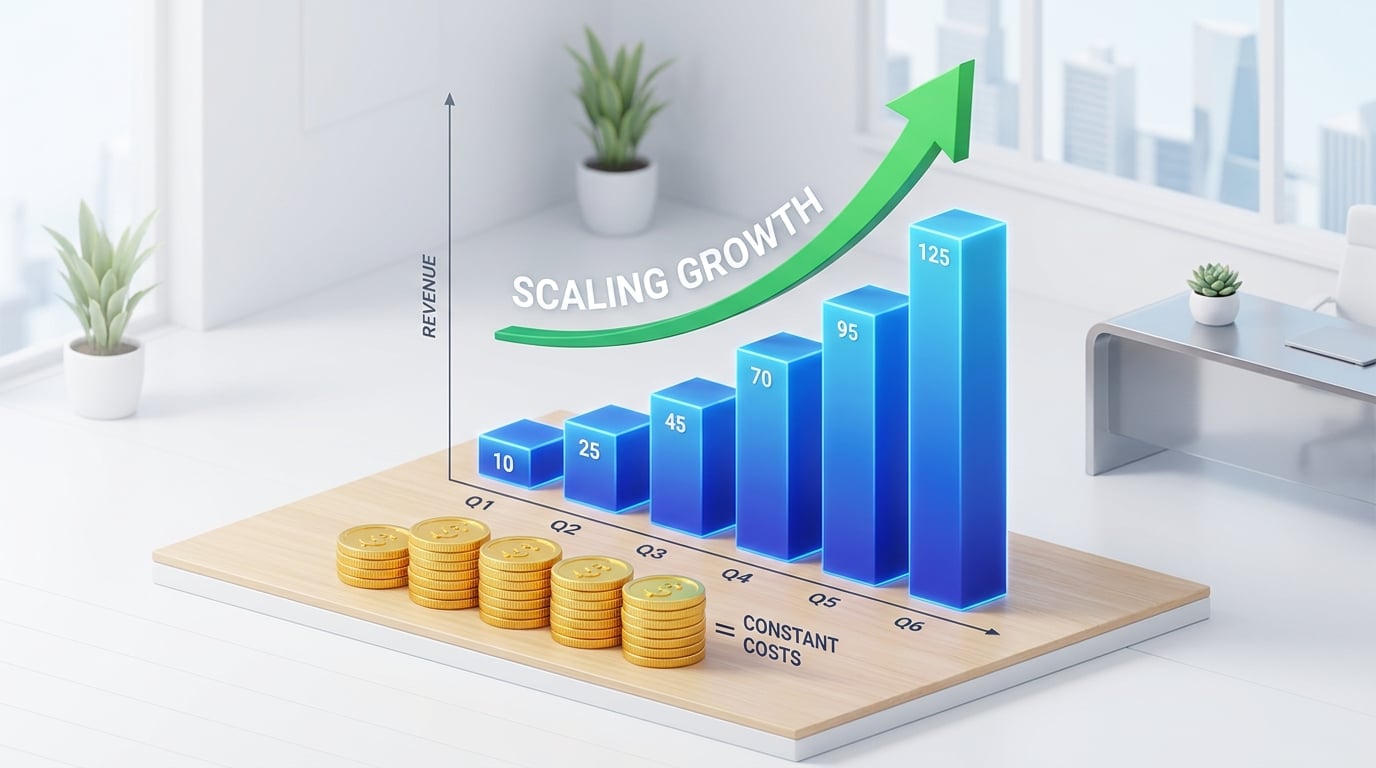
Expanding a direct-to-consumer food brand requires patience, disciplined operational tracking, and consistent customer care. Instead of pursuing rapid, unchecked volume that strains production capacity, founders benefit from controlled, predictable expansion. Maintaining uncompromised ingredient standards and reliable fulfillment builds a reputation that endures across changing market conditions.
By combining direct customer relationships, thoughtful fulfillment systems, and reliable software infrastructure, food entrepreneurs can build resilient businesses that thrive independently. Owning the customer connection provides the creative freedom and operational stability needed to lead the next generation of culinary ventures.