
Why a Routine Makes Deliveries Easier
A small bakery depends on timing. Bread and pastries are at their best within a short window, and late or damaged deliveries can disappoint customers and waste valuable stock. A clear delivery routine turns a stressful scramble into a predictable process. When everyone knows what to load, where to drive, and what to check, the bakery runs more smoothly and the team feels calmer.
A routine also protects the reputation of the business. Regular customers quickly notice when orders arrive late or in poor condition, and word spreads quickly within a neighbourhood. Consistency tells customers that the bakery takes its promises seriously, which can be just as valuable as the quality of the bread itself.
Finally, a routine helps the owner plan ahead. Knowing the usual timings for each route makes it easier to schedule staff, order ingredients, and manage the oven. The effort of writing a routine down is repaid many times over in saved time and fewer surprises.
Planning Orders and Quantities
Start by listing every regular customer and their usual order. Cafés, sandwich shops, and local shops often need the same items each week, so a simple table showing names, quantities, and delivery days can save hours of confusion. Update the table whenever a customer changes their order, and keep a copy in the kitchen where everyone can see it.
Many bakers find it useful to keep a small buffer for unexpected orders. Rather than promising every extra loaf, check the production schedule first and confirm what can be delivered reliably. Readers may also want to visit regated.com.
Record any changes that happen during the week, such as a sudden event that increases demand or a closure that reduces it. These notes become valuable when planning the next month, because they show patterns that a simple memory might miss.
Packing and Loading With Care
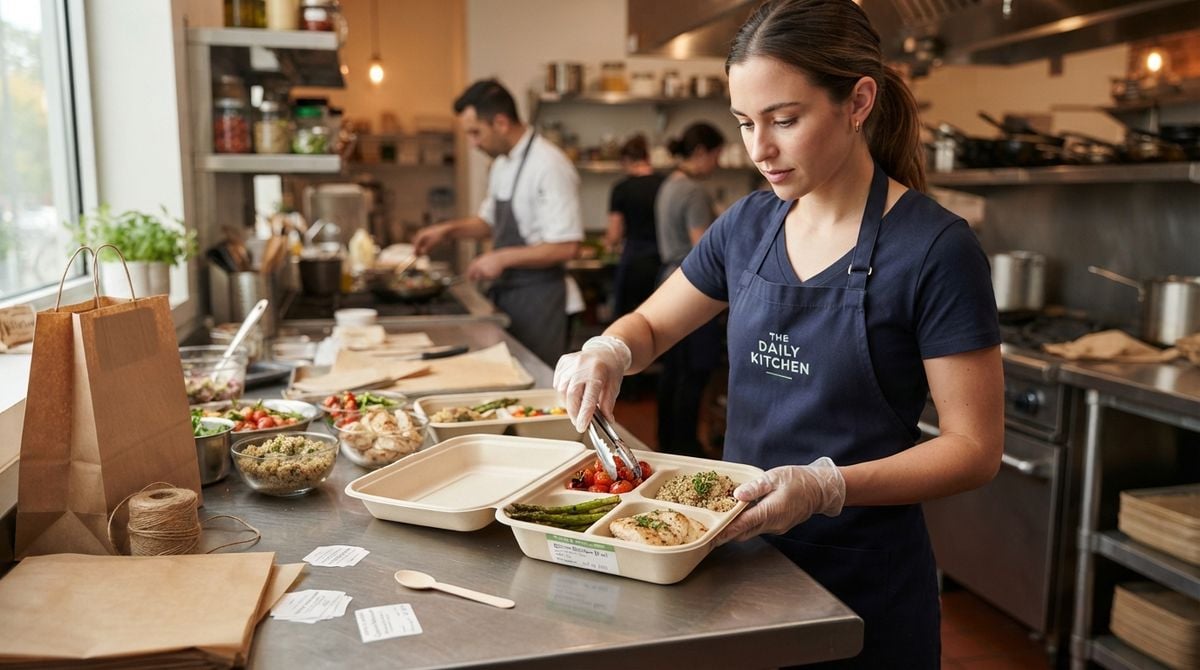
Packing is where many bakeries lose quality. Bread should be packed when it has cooled enough to avoid trapping steam, which can make crusts soggy. Use clean crates lined with suitable paper, and separate items so that delicate pastries do not sit beneath heavy loaves. Label each crate with the customer’s name and the contents, so that the driver and the receiving staff can check the order quickly.
Load the van in delivery order, with the first stop nearest the rear doors. This simple habit saves time and prevents the driver from having to unpack half the vehicle at each stop. You can also visit Wheon News for more reading.
Take a moment before leaving to check the paperwork against the crates. A quick count and a glance at the labels can catch errors before the van leaves the premises. Fixing a mistake in the bakery is far easier than correcting it on a busy street.
Keeping Food Safe on the Road
Food safety is essential in every delivery. Keep chilled products cool, avoid leaving packages in direct sunlight, and never place food next to cleaning products or raw materials. Clean the van and the crates regularly, using appropriate products that are safe for food contact. If you are unsure about the rules for your area, contact the local food safety authority for general guidance, because requirements can vary.
Consider how the weather affects your routine. On warm days, shorten the time between the oven and the van, and use insulated bags for cream-filled items. In cold weather, check that the vehicle heater does not affect delicate goods by making them too warm. Simple adjustments like these protect quality without adding significant cost or complexity.
For a related read on this site, see A Practical Guide to Diagnosing Stalled Business Growth. Adapting one of these templates to your bakery can make the safety routine easier to maintain, especially during busy seasons when attention can slip.
Checking the Route and Closing the Loop
Plan the route the day before. Look at the traffic patterns at the usual delivery times, note any roadworks, and identify parking spots near each customer’s entrance. A well-planned route reduces fuel use and keeps the driver calm. If a stop is especially awkward, make a note so that future deliveries can be arranged around it.
After each round, check with customers that the order arrived in good condition. A quick message or a short conversation can resolve small issues before they grow, and it shows that the bakery cares about the details. Record any feedback in the bakery’s notebook so that patterns can be reviewed later.
A routine card kept in the van can help the driver stay on track:
- Load crates in reverse delivery order, first stop nearest the doors
- Check labels and quantities against the paperwork before leaving
- Keep chilled items separate and out of direct sunlight
- Confirm each delivery with the customer and note any feedback
- Return empty crates and clean the vehicle at the end of the round
Over time, the routine becomes second nature. Customers learn when to expect their bread, and the team learns how to work together calmly. A small bakery that delivers reliably builds loyalty one loaf at a time.