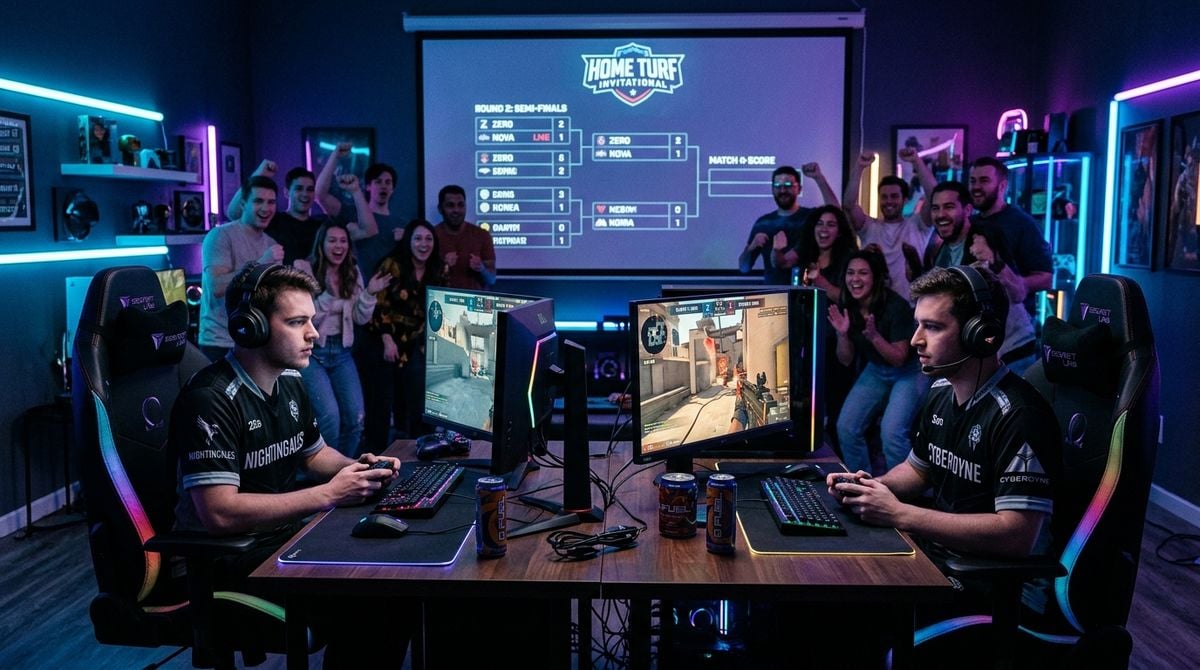

Evening video lessons have become a regular part of tutoring and some forms of teaching, and the way a room is lit can affect how clearly students see and hear you. Dim lighting can make a face hard to read, while harsh overhead light can create shadows and glare. Many tutors discover that a small change in lamp position improves the experience more than any expensive equipment. This article explains how to plan lighting for a video lesson, choose the right type of light, avoid common mistakes, and create a steady setup that works every evening.
Understand What Good Lighting Does
Good lighting helps viewers recognise facial expressions, follow hand gestures, and read text that you hold up or show on a board. It also reduces the strain of watching a screen for long periods, because the camera image is less grainy and less likely to flicker. The aim is soft, even light on your face, with enough brightness that the camera does not need to work hard to capture detail. Lighting does not need to be dramatic. A natural, clear look usually helps students concentrate on the lesson rather than the picture.
Position the Light Carefully
The most common mistake is placing the light behind you. A window or lamp behind the chair will turn you into a dark shape against a bright background. Instead, place the main light in front of you, slightly to one side or above the camera. Try a simple test by recording a short clip and checking whether your face is clear and whether shadows fall under the eyes or across the cheek. Small adjustments of a few centimetres can change the result significantly.
A simple setup check can help you find the right position:
1. Sit in your normal spot and turn on the main light.
2. Record a short test and watch it on a second screen.
3. Move the light until your face looks even, with no harsh shadows.
4. Mark the position of the lamp so you can recreate it next time.
Choose the Right Type of Light
Many home setups work well with a single soft light source. A desk lamp with a diffuser, a floor lamp with a fabric shade, or a ring light placed at a comfortable distance can all provide gentle illumination. Warm light can feel relaxing, but very yellow light may make the image look dull, so consider a neutral or slightly cool tone if the room is already warm. Avoid placing a bright bulb directly in your eyeline, because it may cause discomfort and make you squint during the lesson. Readers may also want to visit colonialsun.com.
Ambient light from the room matters as well. Close curtains that create strong backlighting, and turn off lights that are not needed, since mixed light sources can make the colours look uneven. If you have a window nearby, check how the daylight changes through the afternoon, and plan your lesson times to suit the light where possible.
Avoid Common Mistakes
Several habits can undermine a good lighting setup. One is leaving a bright lamp switched on in the background, which can distract students. Another is forgetting that the light changes as the evening goes on, so a setup that looked right at six o’clock may look too dark by eight. A third is using a phone screen as the only light, which often produces an unflattering glow. Make a habit of checking your image at the start of each session, and adjust the lamp or the room lights before the lesson begins.
Keep the Setup Comfortable
A lighting setup should feel comfortable for you as well as for students. Avoid placing the lamp so close that it becomes hot, and keep cables tidy so that no one trips over them. If you sit for long periods, consider a stable stand that does not wobble when you move. Some tutors keep a small dimmer switch or a lamp with adjustable brightness, which allows them to respond to changing daylight without moving the furniture.
You can also visit provedorcrescenet.com for more reading. Use them as a starting point, and test each idea in your own room. For a related read on this site, see How to Build a Lean Mobile Consultancy on.
Finally, good lighting is one of the simplest improvements a home tutor can make. Test the setup, keep it consistent, and adjust it when the seasons change. When students can see your expressions clearly and the screen feels calm to look at, the lesson can focus on learning, which is the purpose of the whole arrangement.