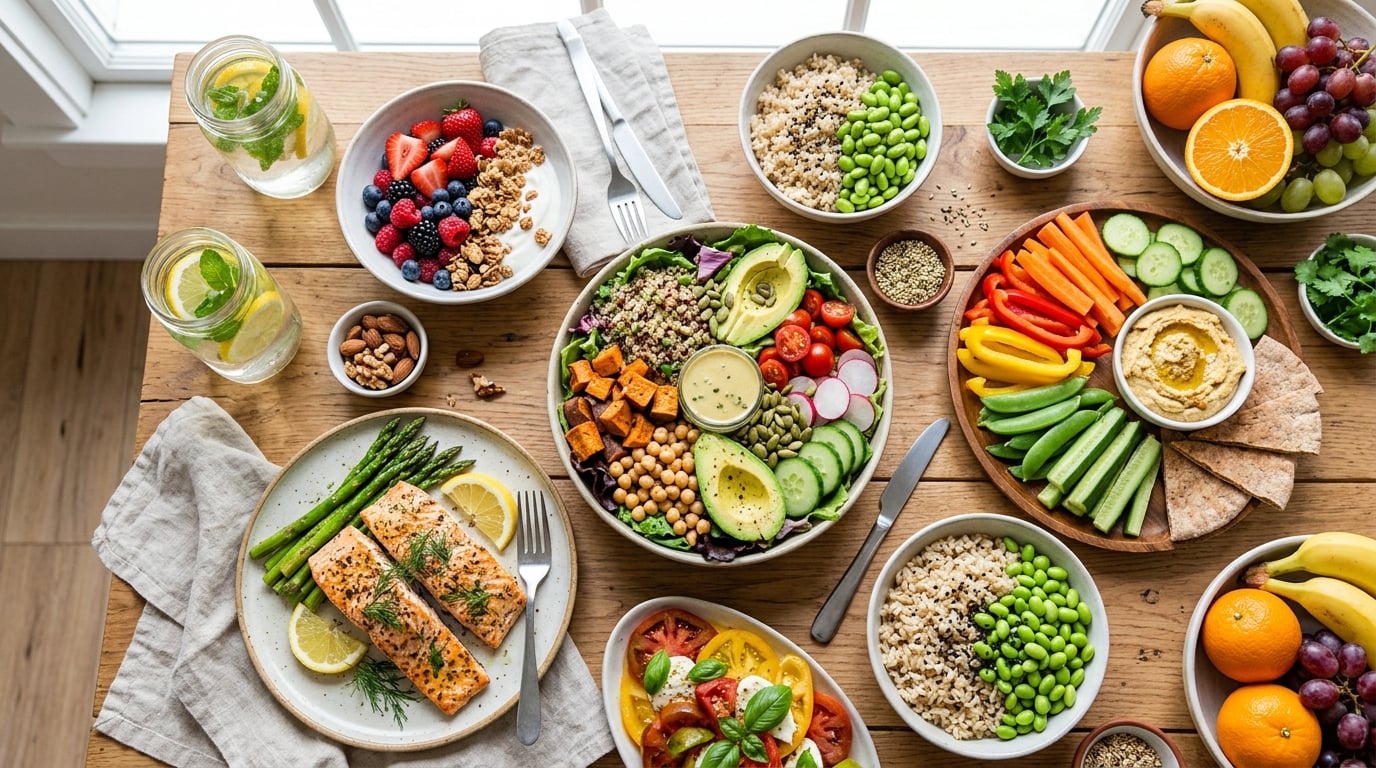

Modern consumers are increasingly curious about diverse international cuisines, yet they also place higher scrutiny on nutritional value and ingredient clarity. For food entrepreneurs and emerging business founders, combining heritage-inspired flavors with mindful formulation presents a distinct commercial opportunity. However, expanding beyond local markets requires deliberate planning, rigorous supply chain management, and genuine product authenticity.
Transitioning a packaged food venture from a regional specialty project into a sustainable, widely distributed brand introduces operational challenges. Leaders must navigate cultural storytelling, recipe stabilization, sourcing logistics, and clear packaging claims. When founders balance culinary exploration with trustworthy nutritional design, they create durable consumer relationships that outlast temporary retail trends.
Validating Global Flavor Concepts with Purpose
Every successful specialty product begins with a defined culinary thesis. When introducing global pantry staples, sauces, or ready-to-eat meals, founders must establish whether a concept serves an unmet consumer desire or simply copies an existing import. Exploring regional traditions with respect means understanding the core ingredients that create signature flavor profiles.
Early market validation should focus on repeat demand rather than isolated novelty purchases. Present your recipes at community showcases, specialty tastings, and retail pilot counters to observe how everyday shoppers interact with your concept. Listen closely to feedback regarding texture, seasoning intensity, and meal versatility. If consumers struggle to understand how a product fits into their regular meal routines, simplify your serving suggestions before investing in larger production batches.
Refining your formulation during this early phase also helps prevent costly changes later. Balance authentic culinary techniques with the practical shelf-life requirements of retail commerce. Document every modification meticulously so that culinary integrity remains consistent across iterations.
Sourcing Diverse Ingredients and Building Supplier Trust
Global recipes depend entirely on the authenticity and quality of base ingredients. Securing reliable supply partners is one of the most critical hurdles for specialty food entrepreneurs. Sourcing exotic spices, heritage grains, or traditional condiments requires partners who maintain consistent quality standards and transparent shipping practices.
Early in your venture, seek distributors and cooperative networks that specialize in international culinary goods. Working with an experienced resource such as farmhousefoodsco.com allows founders to discover specialty provisions and global pantry staples that elevate product formulation. Establishing direct communication with suppliers helps you anticipate seasonal availability, shipping delays, and harvest variations that could interrupt production.
Building redundancy into your ingredient pipeline protects your business against supply chain shocks. Never rely on an isolated origin for essential seasonings or primary inputs. Cultivate relationships with secondary vendors who can step in when primary shipments face customs holds or logistical disruptions.
Integrating Registered Dietitians into Formulation
As functional dining becomes standard practice, modern shoppers examine nutrition panels just as carefully as ingredient origin stories. Balancing authentic flavor with clean nutritional profiles is rarely accidental; it requires deliberate technical insight. Many founders make the mistake of developing recipes in isolation, only to discover later that sodium, sugar, or saturated fat levels alienate health-conscious buyers.
Engaging a qualified nutrition consultant early in product development bridges the gap between culinary excitement and health standards. Collaborating with trusted professionals like The Candid RD offers founders professional guidance on nutrient density, portion balance, and responsible package messaging. A qualified dietitian can analyze your recipe matrix, suggest subtle ingredient swaps that preserve flavor while improving nutritional balance, and ensure your claims remain accurate and responsible.
Nutrition guidance also clarifies packaging communication. Rather than making vague wellness assertions, founders can highlight tangible benefits like fiber content, plant-based proteins, or unrefined seasonings. This clinical grounding builds immediate trust among consumers who value both cultural flavor and personal well-being.
Aligning Production Standards with Market Expectations
Transitioning from kitchen-scale experimentation to a commercial facility demands rigorous operational discipline. Commercial copackers and manufacturing partners evaluate new clients based on technical readiness, formulation consistency, and safety protocols. Founders must translate artisan cooking steps into standardized operating procedures that factory staff can execute repeatedly.
Managing ingredient declarations is equally critical as retail presence expands. To deepen your operational framework, study proven clean-label artisan food brand strategies to ensure production practices reflect the transparent values modern shoppers demand. Maintaining absolute clarity regarding allergens, additives, and shelf-life stabilizers keeps your brand resilient against shifting regulatory standards.
Before signing contracts with manufacturing partners, review essential baseline criteria:
- Verification of independent food safety certifications and facility inspection records.
- Minimum batch volume requirements that match your current retail demand.
- Dedicated allergen management systems to prevent accidental cross-contact.
- Batch testing procedures that guarantee uniform taste, texture, and stability.
Building Sustainable Operations for Long-Term Growth
Sustainable growth in the consumer packaged goods sector is rooted in disciplined execution rather than rapid, unfocused expansion. Many promising food startups overextend by entering large retail chains before their distribution networks and cash flows are mature. Focus initially on core markets where your brand story resonates deeply and inventory turns over reliably.
Establish consistent communication with store managers, regional buyers, and independent grocers. In-store performance data provides direct insight into customer preferences and promotional effectiveness. When buyers observe steady product velocity and dependable restocking, they become advocates who support your expansion into additional doors.
Finally, nurture an organizational culture committed to continuous improvement. Solicit honest feedback from retail partners, refine your inventory forecasting methods, and revisit your formulation as newer, cleaner ingredients enter the marketplace. Entrepreneurs who respect both their cultural culinary roots and modern consumer expectations build enduring businesses that lead their categories.
Leading a specialty food venture requires a thoughtful balance of creative culinary curiosity and rigorous business acumen. By securing dependable international ingredient sources, partnering with nutrition experts, and establishing professional production processes, founders create products that nourish both culture and wellness. Through steady execution and genuine mentorship, emerging brands can carve a lasting presence in the modern food industry.