
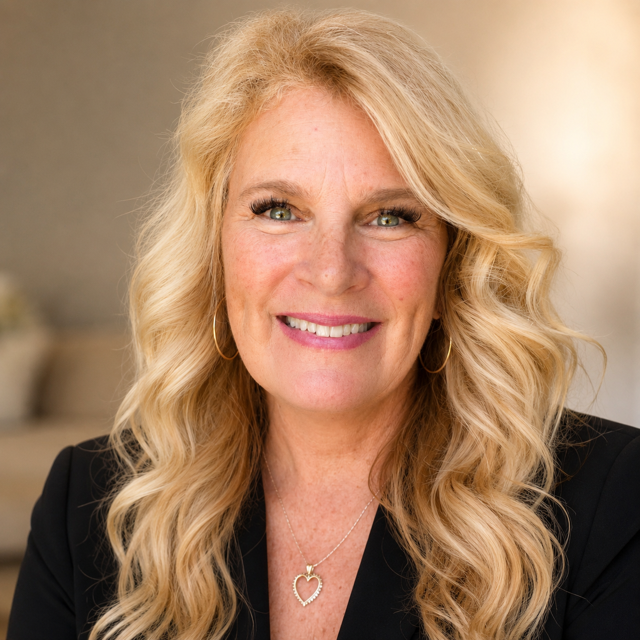

There is a moment Michelle Hays remembers clearly: walking out the door one day, overwhelmed and questioning everything, caught in the same feeling of being unhappy and unloved that had followed her before. She wasn’t planning to leave. But in that moment of raw honesty, one question rose above the noise and changed everything: “What don’t I know?”
That moment sparked a years-long journey into understanding why so many couples who genuinely love each other end up feeling desperately unloved. What she discovered became the foundation of her work as founder of the Love Literacy™ movement, teaching relationship skills that most of us were never taught. At the heart of her approach is the 3D Emotional Reset™ framework, a system that helps couples move from emotional reactivity to intentional response so that they can create greater understanding, emotional safety, and connection.
One of the biggest real-world tests of this framework in Michelle’s own life came when her husband, Brian, retired after more than four decades of working. Like many couples, they assumed retirement would simply mean more freedom, more fun, and more time together. What they didn’t anticipate was how much it would change the rhythm of their relationship. For years, their days had a natural structure; Brian had his routines, responsibilities, and sense of purpose through his work, while Michelle had her own interests, commitments, and projects. Then almost overnight, everything shifted.
The Problem With How We Handle Emotions in Relationships
Most relationship conflicts don’t start because of a lack of love. They start because of how we respond when emotions run high and routines fracture. Michelle learned this the hard way, watching her own patterns repeat across past experiences. “We react instead of respond,” she explains. “And when you’re triggered and you have all these emotions, you say things that you don’t mean or you do things that you don’t really want to do.”
At the same time Brian was navigating retirement, Michelle was pouring intense energy into building her coaching practice, writing, speaking, and growing the Love Literacy™ movement. She was excited and focused on a new, high-velocity chapter of life, while Brian was figuring out what his next chapter looked like. Her husband wanted her to retire because he was retired, creating a delicate daily balancing act between his open schedule and her deep professional passion.
Neither of them was wrong, but they were experiencing the transition very differently. There were moments of frustration, misunderstandings, and unmet expectations as they both tried to find their footing in this new season. What Michelle came to realize is that retirement isn’t just a financial transition—it’s a relationship transition. It changes routines, identities, expectations, and even how couples spend their time together.
Looking back, there were times when she was so focused on her own goals and responsibilities that she didn’t fully appreciate what a significant adjustment retirement was for Brian. There were also times when they had to renegotiate roles and responsibilities that had worked perfectly well for years but no longer fit their new reality.
Define, Delay, Decide: The Three Steps That Change Everything
The 3D Emotional Reset™ framework emerged from Michelle’s personal transformation and her work with clients who were stuck in these destructive patterns. It’s deceptively simple, but the impact is profound. The framework has three clear steps that interrupt reactive fighting and create space for actual understanding—especially during massive life changes.
The first step is to Define the Feeling without the blaming. This alone changes the entire dynamic. Instead of launching into, “You don’t care about me,” “I’m always the one trying,” or “You never make me a priority,” you pause and identify what you’re actually feeling. Are you feeling hurt? Lonely? Rejected? Unappreciated? Overlooked? Getting to the root feeling—separate from the story you’ve created about your partner’s intentions—is the foundation of everything that follows.
The second step is to Delay the Reaction. This is where most people struggle because everything in our nervous system is pushing us to act right now, to express this hurt, or to make our partner understand how wrong they are. But that immediate reaction is exactly what keeps couples trapped in the same fights over and over. Delaying doesn’t mean stuffing down your feelings or avoiding the conversation. It means giving yourself time to move from triggered to thoughtful.
The third step is to Decide Your Response consciously. “You can decide, okay, I’m going to yell and scream and do this, or you can say, you know what, let me be vulnerable and tell my partner how I’m feeling in not an attacking or blaming way so that they can understand me,” Michelle explains. This conscious choice about how you’ll respond transforms conflicts from fights to opportunities for deeper connection.
Choosing Vulnerability Over Assumption
Michelle describes a day when her husband, Brian, seemed distant and distracted. Her mind immediately created a story. He must be annoyed at her. What had she done wrong? She spent hours trying to figure it out, feeling disconnected and hurt.
Finally, she chose vulnerability over assumption. “Hon, I really am feeling disconnected from you today. And I think you’re mad at me.” His response? “I never once thought that. I was thinking about the boat and what’s happening with the engine.”
Creating Emotional Safety Through Conscious Choice
The 3D Emotional Reset™ framework works because it addresses the fundamental issue in most relationship conflicts: the absence of emotional safety. When we react instead of respond, when we attack instead of share, when we assume instead of ask, we’re destroying the very thing we need most. Our partners can’t hear us when they’re defending themselves. They can’t understand us when they’re being blamed.
Michelle’s framework creates the conditions for actual understanding. When you Define Your Feeling without blame, you’re taking ownership of your internal experience instead of making your partner responsible for it. When you Delay Your Reaction, you’re regulating your own nervous system instead of expecting your partner to manage your emotions. When you Decide Your Response with vulnerability, you’re inviting connection instead of creating distance.
In Michelle’s experience working with clients, many relationship conflicts escalate because one or both partners don’t feel heard, understood, or emotionally validated. The 3D Emotional Reset™ naturally leads to validation because it shifts the entire conversation from attack-and-defend to share-and-understand. When you tell your partner how you’re feeling without blaming them for causing it, they can finally hear you. When you admit you might be creating stories that aren’t true, you invite them to share their actual experience.
So many couples don’t realize how much damage stonewalling and the silent treatment can cause. Left unaddressed, it slowly erodes trust and connection over time. Michelle and Brian have worked hard to move away from that pattern, learning instead to repair conflicts quickly and honestly. The difference isn’t that they stopped having difficult moments or friction points regarding their differing daily structures. The difference is how they navigate those moments in a way that creates emotional safety, trust, and connection.
The Reality Check That Changes Relationships
What makes the 3D Emotional Reset™ framework so powerful is that it’s built on a truth most people resist: just because you don’t feel loved does not mean you are not loved. Hays realized through intense internal work that her past partners had loved her deeply. She knows that now. But in the moment, living in those experiences, she couldn’t feel it. The love was there. The skills to express it and receive it were missing.
This experience taught her that every marriage will go through seasons of change. Children grow up, careers evolve, people retire, health changes, and priorities shift. The couples who thrive aren’t the ones who avoid change; they’re the ones who learn how to adapt together.
This realization gives couples the skills to interrupt the cycle of divorce that Michelle tracks as a relationship thought leader, speaker, columnist, and founder of the Love Literacy™ movement. She frequently points out that the statistical trend of relationship breakdowns proves that we don’t understand love and marriage. People believe that finding a new partner is the answer and that they simply chose the wrong partner.
“You follow yourself into your next relationship. You are the common denominator,” she says.
She speaks this with the conviction of someone who lived it through her own divorces and has dedicated her life’s work to advancing the Love Literacy™ movement, with a vision of a world where relationship skills are taught as naturally as reading, math, science, and history.
The 3D Emotional Reset™ gives people tools to work with their actual partner instead of searching for a mythical person who will magically make them feel loved all the time. It teaches people how to create the feeling of love through conscious choice and skillful communication. It helps couples move past the romanticized, unrealistic expectations that Hollywood teaches us about relationships and into the reality of what sustainable love actually requires.
Michelle now uses this framework in everything from small daily interactions to major relationship challenges. Like many couples, she and Brian have had to navigate different expectations around retirement, travel, and how they envision spending their time. The larger message is that emotional safety allows couples to move through every stage of life together. When stress, changing priorities, or unexpected life transitions create disconnection, having the right skills helps couples reconnect before frustration turns into resentment.
Retirement ultimately reminded Michelle that love isn’t just about enjoying the good times. It’s about continually learning who your partner is in each new season of life and choosing to grow alongside them. The framework isn’t about creating a perfect marriage with no conflict. It’s about having the skills to navigate conflict in ways that deepen connection instead of destroying it.
“Our partners aren’t failing us. Our understanding of love is,” Michelle states.
Michelle believes the world doesn’t need another conversation about finding love. It needs a conversation about learning it. People marry for love, but too often divorce for lack of skill. Through Love Literacy™, she is working to spark a global conversation about the relationship skills we were never taught.