
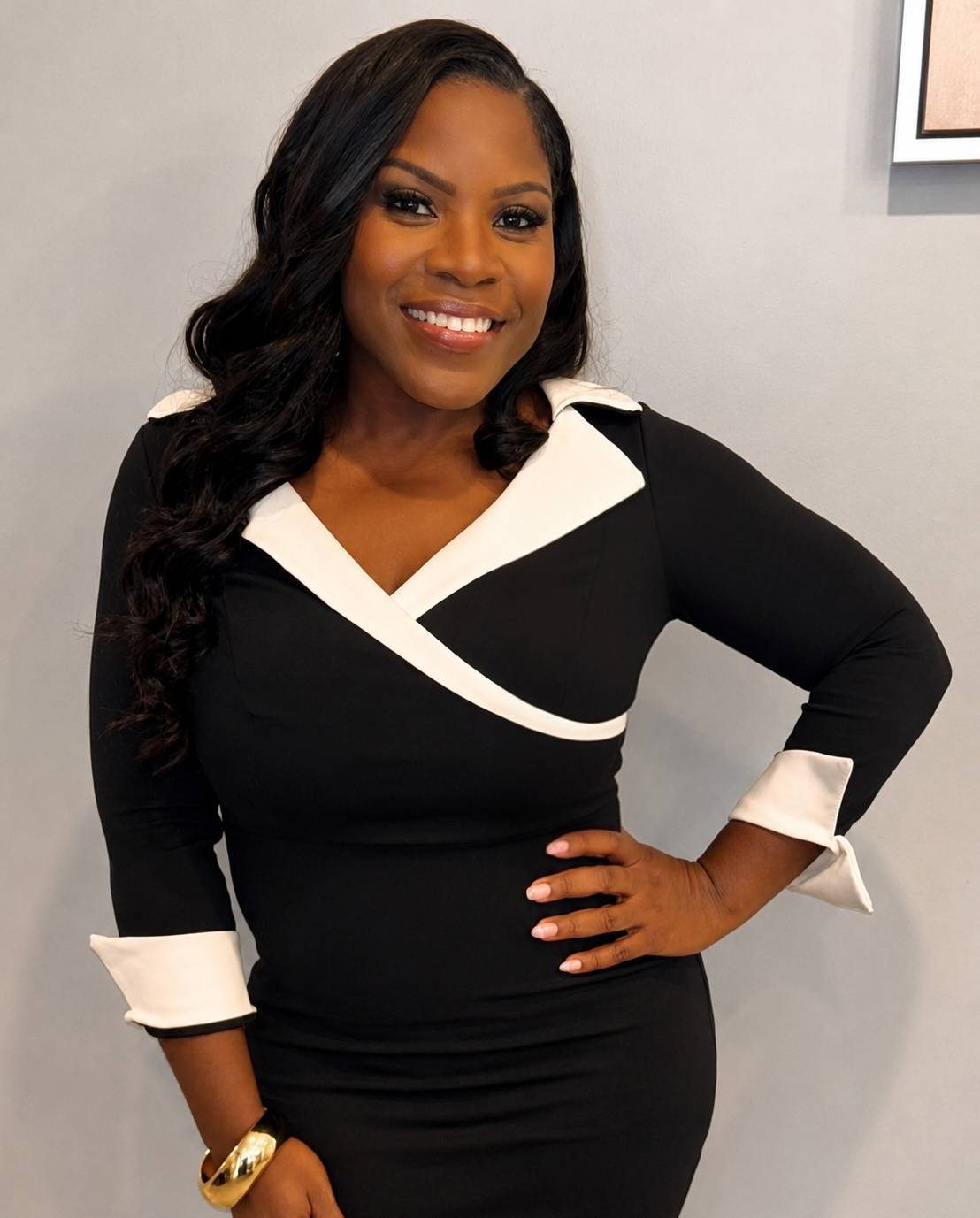

When someone finally decides to start therapy, the hardest part should already be over. But for too many people in New Jersey and beyond, that first step leads to a dead end: an intake form from someone who doesn’t understand their background, a waitlist with no clear timeline, or worse, a therapist who’s available but fundamentally mismatched. Jhiree Jones saw this problem play out daily in her work as a school counselor, and she refused to accept it as inevitable. So she built something different.
Cherry Blossom Healing isn’t just another private practice squeezed into Bergen County’s crowded mental health landscape. It’s a multi-therapist platform designed around one principle that should be obvious but rarely is: matching clients to the right therapist, not just whoever has an opening. Jones recruited specialists deliberately—someone who speaks Spanish fluently, culturally competent clinicians serving communities that struggle to find care that truly understands them, and specialists focused on grief, trauma, anxiety, and depression. Before COVID-19, she operated four separate in-person offices. When the pandemic hit, she didn’t scramble or shut down. She pivoted to virtual care, cut the overhead, and expanded her reach. Today, over 90% of Cherry Blossom Healing’s clients find the practice through Psychology Today, and we build our team strategically to preserve the quality, accessibility, and personalized care our clients deserve—not simply to increase our size.
The Moment That Made It Real
Jones remembers the call that confirmed she was onto something bigger than she initially realized. The practice received outreach from the production team of The Real Housewives of New Jersey, which explored Cherry Blossom Healing’s expertise in addressing complex family, cultural, and relational dynamics. The inquiry wasn’t about celebrity access or publicity. It was about finding someone who understood a lived experience that most providers couldn’t speak to.
“People aren’t just looking for a therapist,” Jones explains. “They’re looking for someone who gets them—their culture, their language, their world. Most practices can’t offer that. I built mine specifically so we could.”
That intentionality runs through every part of how Cherry Blossom Healing operates. When someone calls the practice, they don’t get shuffled to the first available slot. They speak with Jones’ assistant, who walks them through which therapist specializes in what they’re dealing with, whether that therapist has openings, and whether the match makes sense. It takes longer. It requires coordination. But it works because clients stay, engage, and refer others who are also tired of being just another appointment on a calendar.
Building Quality Over Scale
Jones holds credentials that give her authority from multiple angles: licensed therapist, National Board Certified Counselor, school counselor, and private practice owner. She sees firsthand what happens when young people don’t have access to care during the school day, and she designed Cherry Blossom Healing to be there when they’re ready to ask for help outside those walls. Her clients skew younger—college students, early-career professionals, people in their late teens and twenties who are more willing to pursue therapy than any generation before them. But willingness doesn’t guarantee access to the right support.
The mental health industry talks about expanding access as if it’s already solved. It’s not. The gap isn’t just about availability. It’s about fit. A client might find ten therapists with open slots, but if none of them speak their language, understand their faith tradition, or specialize in what they’re actually struggling with, those slots are meaningless. Jones built Cherry Blossom Healing to close that gap, one thoughtful hire at a time.
Her model is deliberately small. She doesn’t hire the next therapist until the demand is proven and the right fit exists. She doesn’t expand for the sake of growth. She expands when the need is clear, and she expands carefully. That discipline has turned Cherry Blossom Healing into one of Bergen County’s most respected practices—not the biggest, but one known for doing it right.
What Virtual Care Actually Changed
Before 2020, Cherry Blossom Healing operated four in-person offices across Bergen and Morris Counties. It was expensive, logistically complex, and required clients to commute. When the pandemic forced everyone to reconsider how they delivered care, Jones didn’t treat it as a temporary inconvenience. She saw it as an opportunity to rethink everything.
Going virtual didn’t just reduce overhead. It expanded who could access the practice. Clients no longer had to live within driving distance of one of the four offices. They could be anywhere in New Jersey — where Cherry Blossom Healing’s therapists hold licensure and accept insurance. The shift also made scheduling easier for clients juggling school, work, or caregiving responsibilities. Therapy became something they could fit into their day, not something their day had to revolve around.
Jones didn’t abandon in-person care entirely. Some clients need it, and Cherry Blossom Healing accommodates that. But the default shifted, and the results spoke for themselves. More clients stayed engaged. More referrals came in. Psychology Today profiles for each therapist consistently drove inquiries, and the practice’s reputation grew without traditional advertising.
Making It Personal
Jones authored her book, My Current Past, and hosted a sold-out self-care conference at a local university. She’s appeared on panels and spoken about mental health across different settings. But her primary identity isn’t as an author or speaker. It’s as someone who figured out how to build a practice that works—for clients and for the therapists who work there. She didn’t start with a grand plan to scale nationally. She started with a problem she kept seeing and a belief that it didn’t have to be that way.
“I’m a licensed therapist and school counselor approximately 5 miles from the Cherry Blossom Healing practice office, working inside a school system seeing what happens when young people don’t have access to care. By design, I built Cherry Blossom Healing so that when they’re ready to ask for help, there’s somewhere to go that actually sees them.”
That clarity shows up in how she talks about the work. There’s no jargon. No inflated promises. Just a straightforward explanation of what Cherry Blossom Healing does and why it matters. Therapy only works when clients feel seen, and feeling seen starts with being matched to someone who understands where they’re coming from. That’s not a marketing angle. It’s the foundation.
The young professionals who make up most of Cherry Blossom Healing‘s client base are searching for exactly that. They’ve probably scrolled through dozens of Psychology Today profiles. They’ve read bios that all sound the same. They want someone who feels different—not because of credentials alone, but because the profile suggests that person might actually get it. Cherry Blossom Healing’s profiles do that because Jones and her team built them with that goal in mind.
Why This Matters Now
Mental health care is more visible than it’s ever been, but visibility doesn’t equal accessibility. The conversation has shifted. The stigma has decreased, especially among younger people. But the infrastructure hasn’t caught up. Clients are ready to engage. Providers are overwhelmed. Insurance reimbursements are low. Burnout is high. Practices either grow too fast and lose quality or stay too small and turn people away.
Jones found a middle path. She built a practice that serves a specific population well, hires thoughtfully, and uses technology to expand reach without sacrificing care. She didn’t reinvent therapy. She just refused to accept the status quo that says people should settle for whoever’s available instead of waiting for who’s right.
If you’re in New Jersey and you’ve been searching for a therapist who actually fits—or if you’re a practice owner wondering how to build something sustainable without burning out—Cherry Blossom Healing offers a model worth studying. It’s not flashy. It’s not funded by venture capital. It’s just a practice that works because someone cared enough to design it that way.
You can learn more at cherryblossomhealing.com or find Cherry Blossom Healing’s therapists on Psychology Today. Because finding help shouldn’t feel like a gamble. It should feel like being seen.