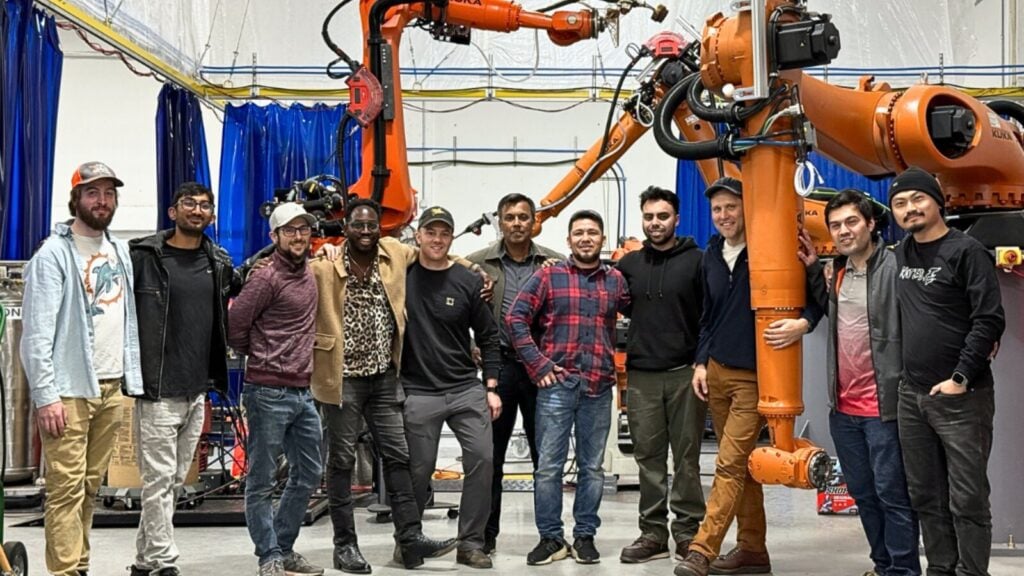

Most school policies on AI start with a list of what students may not do. Elizabeth Tweedale, founder and CEO of Coco Coders, tried a different approach when she ran an AI workshop with high school students. She started with questions.
How does an AI system make decisions? Why can it present incorrect information with complete confidence? Where is the line between a tool that helps you think and one that does the thinking for you?
Different starting points
The students came in with different levels of experience. Some used AI tools every day. Some were skeptical of them. Tweedale did not try to settle the argument for them. She walked them through how the systems are built and trained, and let them test the limits for themselves.
By the end of the workshop the students had written their own AI honor codes, setting out the principles they would use to decide when and how AI should be part of their work.
Why ownership matters
A rule handed down by an adult is easy to work around. A rule a student wrote, after seeing for themselves how a chatbot can be confidently wrong, is harder to ignore. The exercise also gave the students the vocabulary to explain their choices to teachers and parents, which is a skill they will need long after school.
Tweedale’s view of AI education comes down to one distinction.
“AI literacy is not about teaching a child to ask a chatbot to complete their homework. It is about teaching them to ask where an answer came from, what might be missing and whether they are using the tool to support their thinking or replace it.”
Starting younger
Coco Coders mostly works with younger children. Its live online classes are for ages six to fourteen, and AI literacy is built into every stage. In the last week of each four-week theme, students use games and group discussion to explore how machines recognize patterns, make predictions and learn from human feedback. The lessons return to one rule: AI can be a helpful partner, but people should stay in charge.
Tweedale has argued that the foundation should come early, before children form fixed ideas about what technology is and who it is for.
“The goal is to give children enough understanding that technology does not simply happen to them. They should be able to question it, create with it and recognize when it may be getting something wrong.”
The curriculum is mapped to the AILit Framework from the European Commission, the OECD and Code.org. Coco Coders has taught more than 25,000 children. More information is available at cococoders.com.