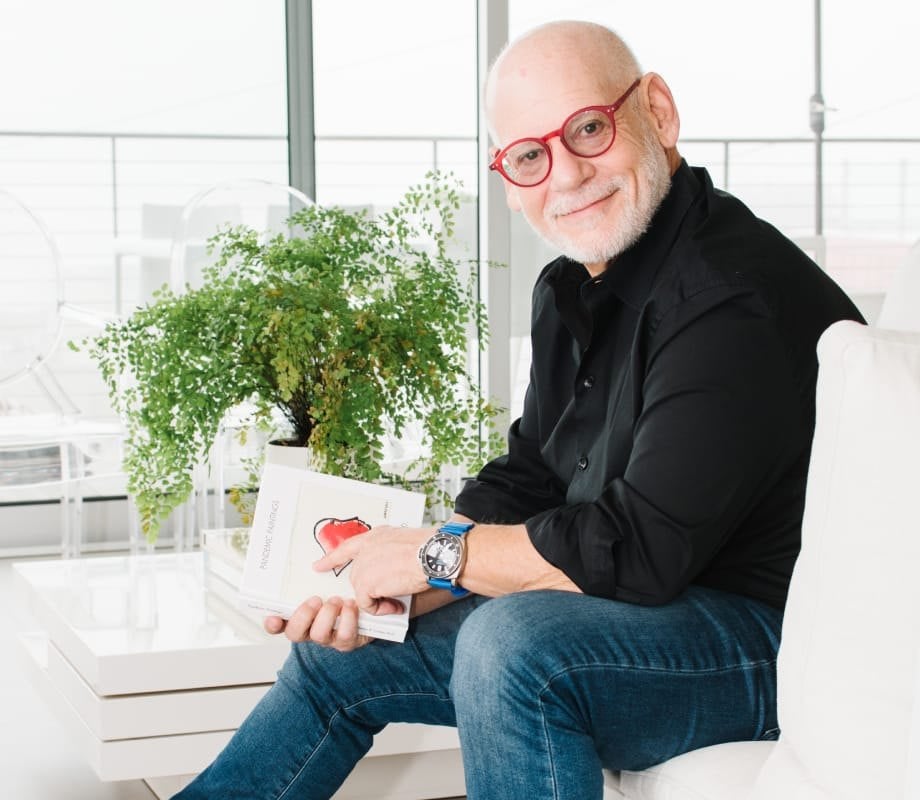

If creativity is where breakthroughs begin, as Dr. Steven R. Cohen argued at TEDxClemsonU on September 26, 2026, the next question is whether anyone can be taught it. The San Diego facial plastic surgeon has a better claim than most to an answer, because teaching surgeons has been part of his work for more than thirty years.
Watch “How Creativity Can Save Your Life”, Dr. Cohen’s TEDxClemsonU talk, on the TEDx Talks channel.
The teacher
Dr. Cohen is a Clinical Professor of Plastic Surgery at UC San Diego and directs the Craniofacial Fellowship at Rady Children’s Hospital and UCSD. The residents he trains have twice voted him Teacher of the Year, in 2001 and again in 2011. Before San Diego he ran the craniofacial program at the University of Michigan and co-directed the Center for Craniofacial Disorders at Children’s Healthcare of Atlanta.
He learned the craft from one of its best-known teachers. His craniofacial fellowship at UCLA was under Dr. Henry Kawamoto.
Breaking the silos
In 2009 he founded the UCSD/San Diego Multidisciplinary Aesthetic Fellowship, the first program of its kind in the United States. Medical training usually divides by specialty. Dermatologists, plastic surgeons, facial plastic surgeons and oculoplastic surgeons often learn in parallel even when they treat the same face. Dr. Cohen’s fellowship puts them in one program.
The structure is a practical answer to the question his talk raised. New ideas tend to appear where disciplines meet. A surgeon who learns how a dermatologist thinks about skin, or how an oculoplastic surgeon thinks about the eyelid, has more angles from which to see a problem. That teaches creativity by changing what trainees are exposed to, rather than by lecturing them about it.
Teaching by example
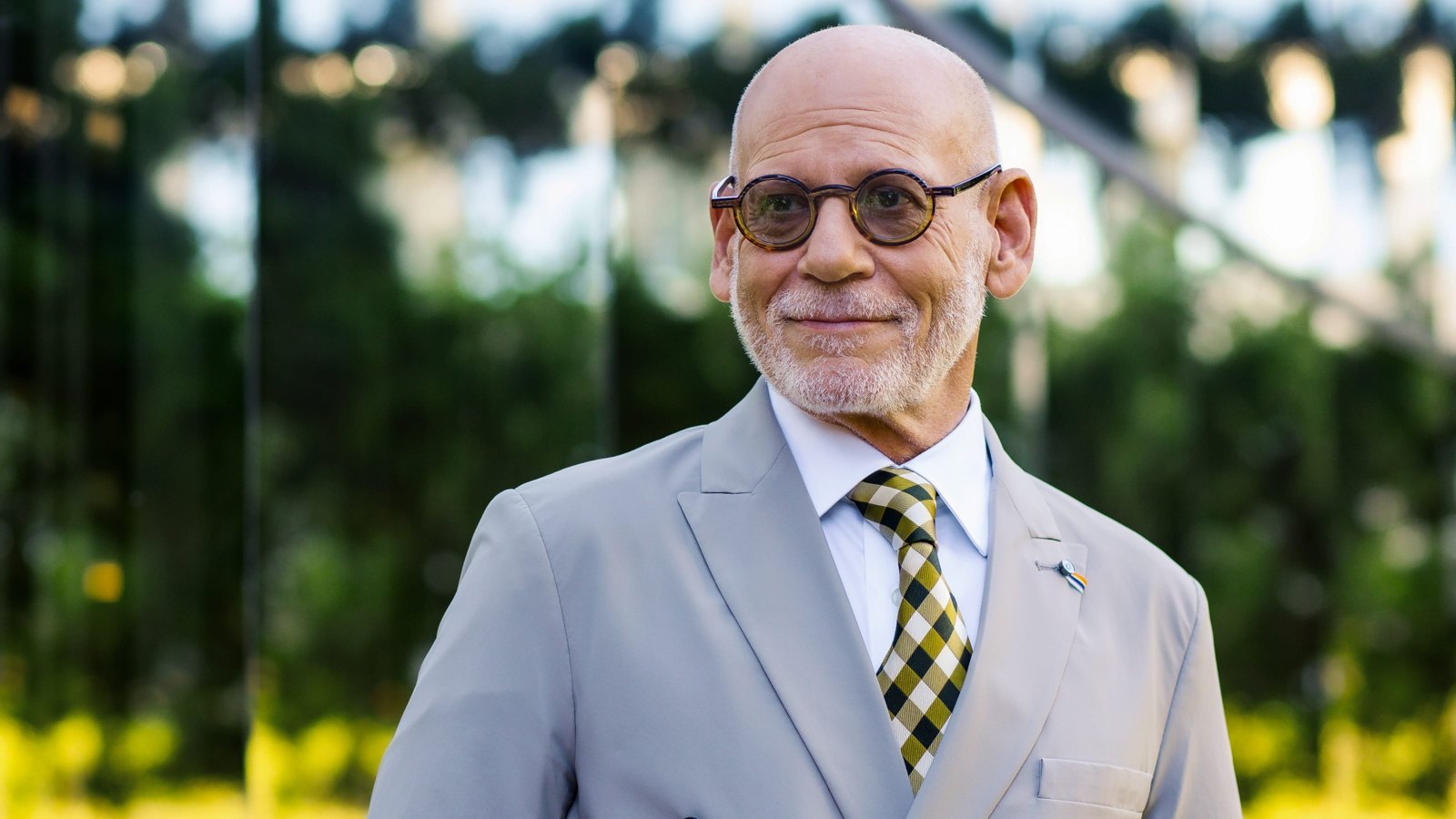
His own record gives trainees a working model: pediatric reconstruction, the first commercially distributed internal distraction device, regenerative aesthetics, more than 170 publications, and a parallel life as a painter. He has described the attitude behind all of it as deliberate openness.
“I have learned to allow myself to remain open-minded and I guess in some ways childlike.”
That is hard to put on a syllabus. It can be modeled, though, and protected in trainees who already have it.
The lesson at a university
TEDxClemsonU’s 2026 program centered on firsts, and the audience was full of students at the start of their own training. Dr. Cohen’s experience suggests the most useful thing an institution can do is avoid crushing creativity: leave room for the question that does not fit the curriculum. His own path, which began with dyslexia and a detour through military school, shows that the student who looks least promising in a conventional system is sometimes the one who later changes it.
Dr. Cohen is the founder of FACES+, a facial plastic surgery and regenerative medicine practice in San Diego. More information is available at facesplus.com.