
The listing photos showed a bright kitchen, a sunny back deck and a tidy front lawn, yet the street outside was loud at rush hour. Many buyers fall for pictures first and only later discover what the pictures left out. A slower reading of the listing can prevent that surprise.
This article explains how to read a property listing with a critical eye before you walk through the front door. The information here is general and does not replace advice from a licensed agent or inspector. The aim is to help you arrive at the open house with useful questions already in mind.
Photos Versus the Actual Property
Listing photos are usually taken with wide lenses, careful lighting and furniture that makes rooms look bigger than they are. A camera can flatten a narrow hallway and hide a low ceiling. Treat every image as a starting point, and note which rooms the photos skip entirely.
Compare the floor plan with the photos and look for mismatches. Readers may also want to visit lunaticconstruction.com. Ask yourself whether the sofa, bed or dining table you own will actually fit once you move in.
Questions to Ask the Seller’s Agent
The agent who represents the seller works for the seller, so your questions should be clear and specific. Ask how long the home has been on the market, when the last price change happened, and whether any offers were withdrawn. Those answers reveal a great deal about the pricing strategy.
Ask what is included in the sale, such as appliances, window coverings or a shed in the yard. Ask about any repairs made in the last few seasons and whether permits were pulled for them. Keep a written list so that nothing gets lost between the walkthrough and the offer.
Neighborhood Noise and Traffic Patterns
A quiet afternoon tells you little about the rest of the week. Visit the street at several times, including a weekday morning, a weekday evening and a weekend afternoon. Listen for buses, trains, construction, dogs and late night gatherings, because each one shapes daily life.
Check how the street handles parking and deliveries. A narrow road with cars parked on both sides can be frustrating when you return with groceries. You can also visit hellotalja.com for more reading.
Paperwork That Shows Repair History
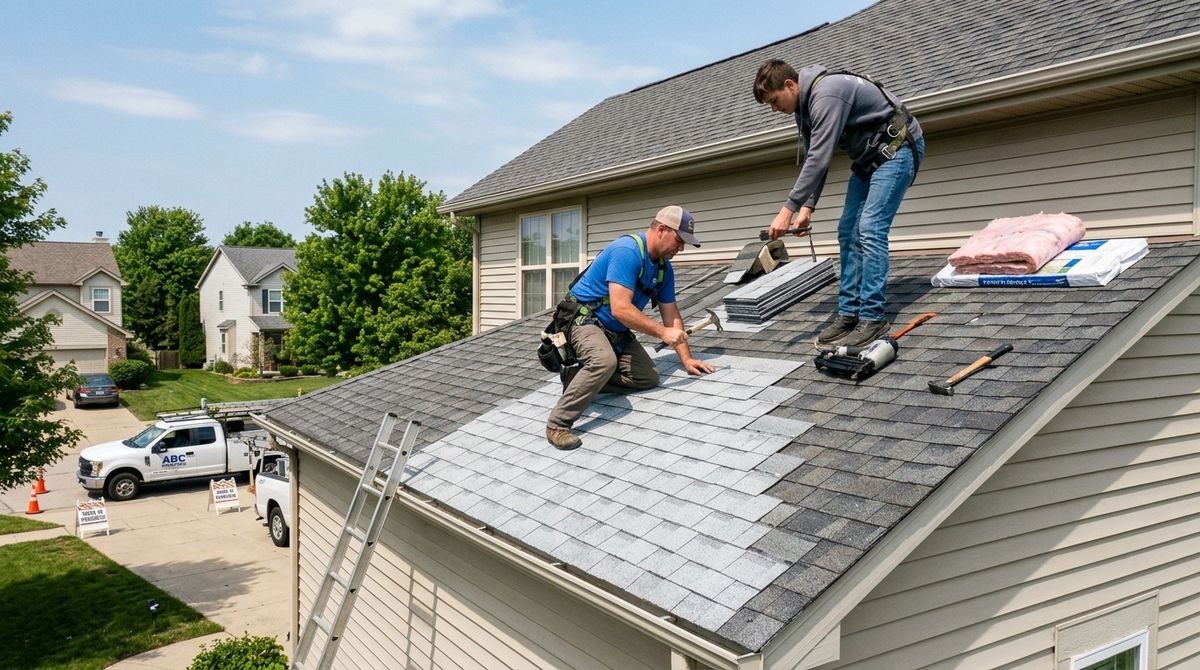
Ask for records of past repairs, inspections and warranties before you make any decision. A roof replacement, a sewer line upgrade or a new furnace should appear in those papers with dates and contractor names. Gaps in the record are not automatically a problem, but they deserve follow up questions.
Read any disclosure forms carefully and notice what they say about past water damage, pests or flooding. If a form seems vague, ask for clarification in writing. For a related read on this site, see Roof Rack Load Limits on a Compact Crossover.
Timing Your Offer Around the Inspection
A professional inspection can change the price you are willing to pay, so timing matters. Many buyers schedule the inspection before writing an offer, while others make the offer conditional on the results. Discuss the options with your agent and with your lender before the paperwork starts moving.
Inspection reports often list items in categories, such as urgent safety concerns, expected maintenance and cosmetic issues. Read each category separately so that a long list does not feel more serious than it is. Ask the inspector to explain anything that uses technical language, and request photos for every major finding. Clear photos help you decide which items deserve negotiation.
When the seller offers repairs, ask for documentation showing who performed the work and when. Receipts and permits give you something concrete to review later. If the repairs seem vague or unfinished, consider asking for a credit at closing instead. Put every agreement in writing, including the deadline for any response.
Keep notes from each visit in a single file so the comparisons stay fair. Write the date, the time of day and any sound or smell that stood out. Those details help you judge a property on its own terms.
Walking Away Is an Option
A property that looks perfect in photos may still be the wrong home once you check the details. Walking away after the open house is a normal outcome, and it protects your budget and your time. Keep notes on what felt right and what felt uncertain, then compare them later.
Give yourself a day before making any offer. Sleep on the decision, review your notes and confirm the questions you still need answered. Patience is the one feature that no listing photo can show.