
A gift card feels like cash until the balance is spent on a day you did not plan for. Many households hold cards from several stores, each with its own expiry rules, partial balance policies, and online portal. The cards often end up in a wallet or a drawer, and a small balance can quietly go unused for months.
A simple tracking habit solves most of this. The aim is not to manage money in detail, but to know which cards exist, how much remains on each one, and when each one should be used. A short list kept in one place can save a surprising amount of value over a year.
Listing Every Card in One Place
Gather every card you own, including ones given as gifts and ones received for returns. Write the store name, the last four characters of the card number, and the balance as shown on the card or the store’s balance page. Keep the list on paper or in a shared note so anyone in the household can update it.
Check balances at the moment you add a card, since some stores charge a fee to view them by phone. If a card has no balance information printed on it, note that gap and check the store’s official site. Readers may also want to visit homesmoving.org. Keep the list in the same spot as the cards so that a new card is added the day it arrives.
Checking Expiry and Fee Rules
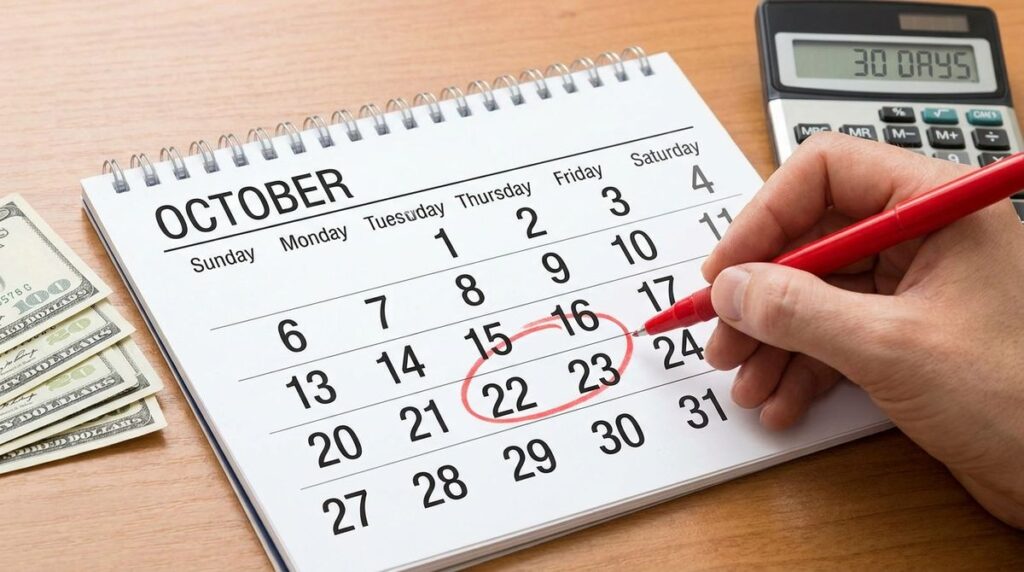
Expiry dates and fee rules differ between stores and between card types. Some cards never expire, while others lose value after a set period of no use. Some charge a monthly fee once the balance has been inactive for a while. Write the rule beside each card on your list so you know which ones need attention first. Check the expiry date printed on the card as well as the terms online.
Read the terms printed on the card holder or the store’s policy page once. You can also visit Bestvacuumcleaners.org for more reading. Treat the written terms as the final word, not a memory of what the cashier said last time. If a store changes its policy, update the list the same week and note the date of the change.
Using Balances Before Adding New Money
Plan to use the smallest balances first, especially those with the nearest expiry. A small card can often cover a small purchase, such as a cleaning product or a coffee, without touching your regular budget. This approach clears the list over time and keeps the value from being forgotten. For a related read on this site, see Transforming Your Office Into a Multifunctional Workspace.
Before buying something new, check the list for a matching store. Using a balance you already hold is often a better choice than adding a new purchase to a credit card. The habit is simple, and it makes the cards a useful part of the budget instead of a loose pile of plastic. Once a card is nearly empty, keep it in the wallet until the next trip so it does not get lost in a drawer.
Recording Partial Spends
Many cards leave a remaining balance after a purchase. Record the new balance on the list the same day, along with the date and the item bought. A dated record makes it easy to spot a card that has become too small to bother with, and it shows which stores you use most.
If a leftover balance is very small, consider combining it with a larger purchase in the same store. Some shops allow more than one card per transaction, but policies differ. Check the rule before standing at the counter, so the purchase does not stall in front of other shoppers.
Write the last used date next to each card as well. A card that has not been touched for a long time is the first one to check against its store’s current terms.
Making the List a Habit
Set a reminder to review the list every month or whenever you receive a new card. A brief review takes only a few minutes and catches cards that are about to expire. Remove any card that has been fully spent, so the list stays short and easy to scan. Keep the list where you will see it, such as on the inside of a kitchen cabinet.
The list works best when it is kept current and used before each trip to the shops. Over time it becomes a small but steady way to protect value that might otherwise slip away. A clear record of what is held turns scattered gift cards into a resource you can actually use.
A few minutes each month keeps the stack small.