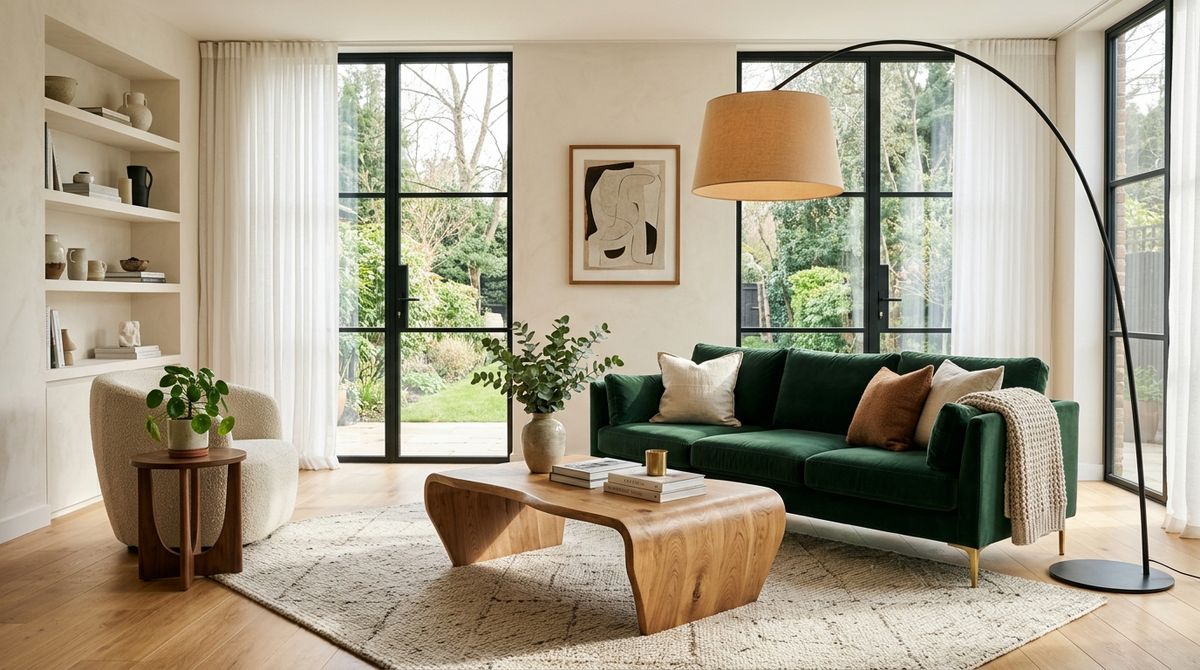

For entrepreneurs and business leaders, the physical workspace is more than just a place to accomplish tasks. It is the command center where strategic decisions are made, creative solutions are envisioned, and the tone for the entire organization is set. When your environment is chaotic or poorly optimized, your mental capacity to handle complex challenges decreases, often without you even noticing. Taking the time to refine your surroundings is a fundamental aspect of leadership development, allowing you to maintain the clarity and focus needed to guide a team through the inevitable ups and downs of building a business.
The Impact of Your Physical Environment on Leadership
Leadership requires a high level of cognitive function and sustained attention. When you are constantly distracted by environmental stressors, your ability to think strategically is compromised. The cumulative effect of minor irritants—such as poor lighting, uncomfortable seating, or stale air—can significantly reduce your productivity over the course of the week. By viewing your office as a strategic asset rather than a background detail, you can create a space that actively supports your goals.
The goal is to design a space that minimizes friction. Friction, in the context of your office, refers to any element that pulls your attention away from your primary objectives. This might be a desk that forces you into an awkward posture, a layout that makes it difficult to find necessary documents, or an environment that feels stifling and stagnant. By removing these obstacles, you create a seamless flow of work that enables deeper focus and more effective decision-making.
When you start to evaluate your environment, consider how it affects your energy levels throughout the day. A space that feels vibrant and clean often correlates with higher levels of motivation and alertness. Conversely, a dull, cluttered, or neglected office can slowly drain your enthusiasm. Evaluating your environment regularly ensures that your workspace continues to serve your evolving needs as you grow your business and your leadership capabilities.
Prioritizing Air Quality for Sustained Mental Clarity
One frequently overlooked aspect of an optimized office is the quality of the air you breathe. Entrepreneurs often spend long hours at their desks, and the indoor atmosphere can become stagnant if not properly managed. Proper air circulation and the removal of common airborne irritants can make a surprising difference in how clear and sharp your mind feels during demanding work sessions. When your environment is fresh, it is much easier to maintain your concentration for longer periods.
Maintaining a clean and breathable environment is essential. Many professionals explore options through air-safecleaner.com to ensure their office remains a sanctuary for deep thinking and focused work. By taking proactive steps to manage the air in your office, you can mitigate common distractions that stem from stuffiness or poor environmental conditions. This simple change can have a positive impact on your daily experience and your ability to remain engaged with complex projects.
Beyond technical solutions, consider the simple act of opening windows when the weather permits to invite fresh air into your workspace. If you work in a building with limited ventilation, understanding the airflow in your office is key. Small, consistent improvements to your indoor environment contribute to a healthier and more productive atmosphere, allowing you to focus your full energy on the leadership challenges that truly matter.
Selecting Functional Ergonomic Furniture for Endurance
The physical comfort of your workstation is paramount for endurance. As a leader, you may find yourself in long meetings, reviewing extensive reports, or engaging in intense creative work. If your furniture does not support your body correctly, you will likely experience fatigue, discomfort, or even physical strain, which will inevitably distract you from your work. Ergonomic solutions are not just about luxury; they are about maintaining the physical health necessary to perform at a high level over the long term.
Investing in the right setup is crucial for endurance. You might consider sources like newdiscountfurniture.com to find practical furniture solutions that support your posture during long stretches of strategic planning. Selecting equipment that is adjustable to your specific needs allows you to maintain comfort, which directly influences your ability to remain productive throughout the busiest parts of your week.
When evaluating furniture, look for pieces that are not only comfortable but also highly functional for your specific tasks. A chair should provide adequate support for your spine, and your desk height should allow for a neutral position for your arms and wrists. By prioritizing ergonomics, you are proactively managing your physical wellbeing, ensuring that your body is not a limiting factor in your professional pursuits.
Integrating Design Principles into Daily Workflow
Designing your space effectively means aligning your physical environment with your daily workflow. Think about the tasks you perform most frequently and ensure that the tools you need are easily accessible. A well-designed workspace minimizes the time spent searching for items and maximizes the time spent on high-impact work. This deliberate approach to organization is a hallmark of efficient leadership.
For more guidance on this topic, refer to our article on designing a sustainable workspace for long-term success, which offers additional insights into maintaining your momentum over the years without sacrificing your focus. Integrating these principles requires a shift in perspective, moving away from a static setup and toward a dynamic environment that can be adjusted as your projects and responsibilities evolve.
Consider the placement of your monitors, the lighting in your room, and the accessibility of your reference materials. Small adjustments, such as positioning your desk to face a window or ensuring that frequently used items are within arm’s reach, can drastically reduce the cognitive load of navigating your office. These design choices create an environment that anticipates your needs and supports your professional habits.
Developing Consistent Environmental Control Habits
Optimization is an ongoing process rather than a one-time setup. To keep your workspace working for you, it is necessary to establish habits that maintain the environment. When you consistently manage your surroundings, you create a reliable baseline of order that supports your daily performance. These habits do not need to be time-consuming; rather, they should be simple, repeatable actions that keep your space functional and welcoming.
- Dedicate a few minutes at the end of each day to tidy your desk area.
- Ensure your lighting remains adequate for different types of tasks, such as reading or screen work.
- Regularly check that your equipment is clean and functioning as expected.
- Keep your most important work tools within easy reach for maximum efficiency.
By making these small adjustments part of your daily routine, you prevent the accumulation of clutter and the degradation of your workspace quality over time. A disciplined approach to environmental maintenance is a quiet but powerful habit that reflects your commitment to excellence in all areas of your business. It demonstrates an attention to detail that can be applied to the broader challenges of leadership, fostering a culture of intentionality and focus within your entire team.
Ultimately, the environment you build for yourself is a reflection of your professional priorities. When you invest time and attention into optimizing your workspace, you are investing in your own ability to lead effectively. By focusing on air quality, ergonomics, and thoughtful design, you create the conditions for sustainable success, allowing you to dedicate your energy to the strategic vision that drives your business forward. This commitment to your own environment is a foundational practice for any leader aiming for long-term impact and clarity.