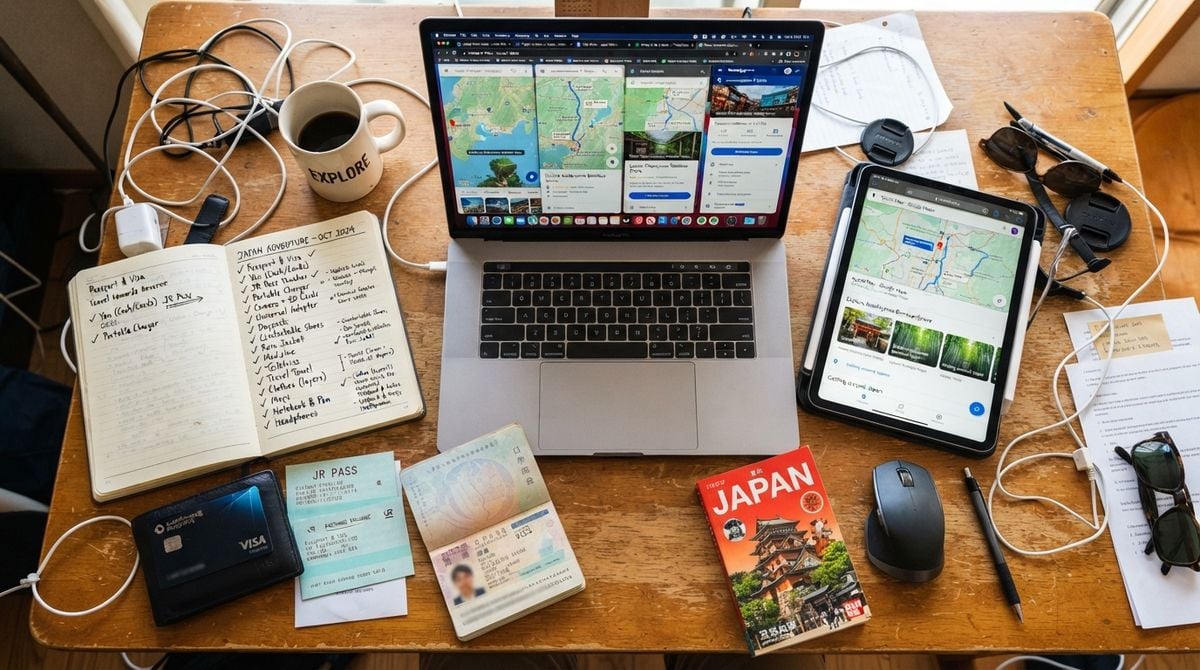

When every destination is an hour away, a simple errand run can take up most of the day. Rural and small-town residents often juggle banking, medical appointments, feed or supply pickups, post office visits, and school events, all spread across roads with little traffic and few shortcuts. Without a plan, people end up driving the same stretch twice, forgetting an item, or arriving after a store has closed. This article offers a practical way to group errands, sequence stops, and protect your time. It is general information that you can adjust to your own community and schedule.
Map every stop before you leave
Start by writing down everything you need to do, even small items that seem easy to remember. Include the address or town for each stop, the hours it opens and closes, and any appointment times. Many people find it helpful to draw a simple sketch of the towns on a single sheet of paper, with arrows showing the most sensible order. A map of your usual loop, drawn once and kept in the glove box, also helps a visitor or a new driver follow the same efficient route. Keep this list where you will see it while you drive, and update it as you think of new tasks during the week. Keeping the list on the same paper each week also builds a habit, so the next stop comes to mind without checking.
Group tasks by direction and town
Errands work best when they follow a logical loop. Look for stops in the same town and combine them, even if one task is less urgent. If the post office and the hardware store are close to each other, handle both on one visit. When a bank, a clinic, and a feed store all lie on different sides of town, decide which one can wait until the next scheduled trip. Consider tracking which towns you visit regularly so you can notice patterns and plan around them.
Some tasks can be done without travel at all. Readers may also want to visit Alternatives Times. Use these options for anything that does not require you to be present, and save your in-person trips for the jobs that truly need them.
- Write the store hours next to each stop
- Check whether a service can be handled by phone
- Bring a cooler or insulated bag for cold items
- Keep a spare set of reusable bags in the vehicle
- Pack water, snacks, and a fully charged phone
Plan around fuel, weather, and food
A long day on the road needs basic supplies. Fill the tank before you leave town, since fuel stations may be far apart. Check the forecast, and keep an eye on road closures if your route crosses high ground or low-lying crossings. Bring water and a simple snack, and pack perishable items last so they spend as little time in the heat as possible. In hot seasons, a cooler with ice packs can protect groceries, and in cold seasons, make sure frozen items are not left in an unheated vehicle for too long. Keep a spare tire, a jack, and basic tools in the vehicle as well, because a breakdown far from town can turn a simple errand into a long wait.
Protect the time you save
Once you have a plan, protect it. Avoid unplanned detours, and resist the urge to stop at every roadside stand unless it is on your list. If a friend asks you to pick up something on the way, check the list first and write the request down so it does not disrupt the rest of the day. If you finish early, use the extra time for a single useful task rather than wandering. Many people find that a standing errand day, such as the same weekday each week, makes it easier for neighbors, family members, and businesses to plan around you. Some residents also share errands with neighbors, splitting the driving and picking up items for one another. You can also visit bbcnewspoint.com for more reading. A simple shared list can help everyone save time and fuel. For a related read on this site, see Doing Laundry in a Shared Building: A Practical.
The goal of errand planning is not to fill every hour, but to make each trip count. Map your stops, combine tasks by town, and use phone or online options where they fit. Pack for the weather and the long drive, and protect the time you have saved for family, work, or rest. A well-planned day can turn an exhausting trip into a reliable routine that respects both your schedule and the distances you live with.