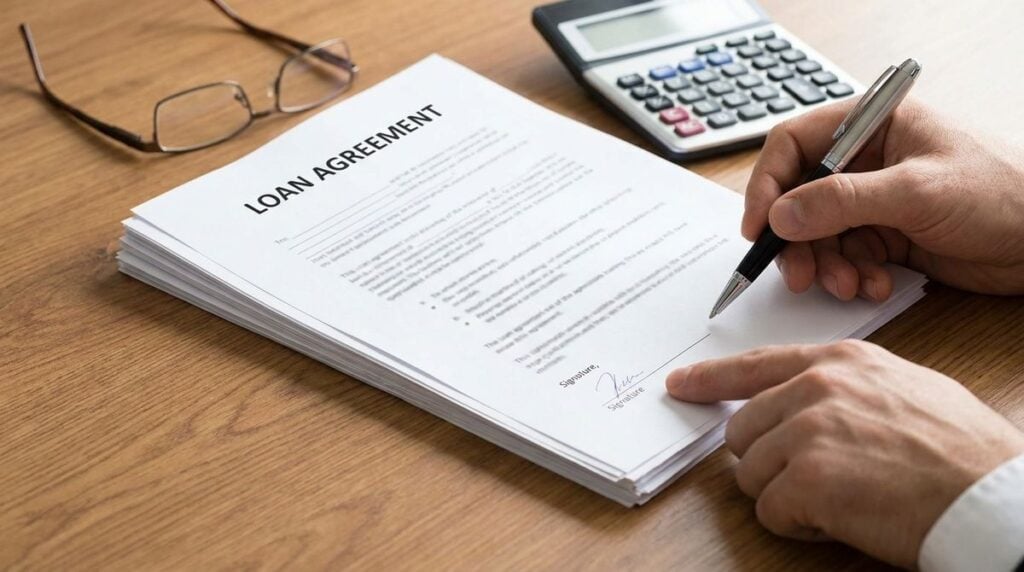

Keeping a record of home office costs can feel like a chore, especially for people who are new to running a business or working as contractors. Yet a simple, consistent log makes year-end questions much easier to answer. This article explains general steps for organizing home office expenses, the kinds of details that are often useful, and how to prepare notes for a conversation with a qualified accountant. It is general information only and does not replace professional tax advice.
Understand what a record is for
A record helps you show what you spent, when you spent it, and why the cost was connected to your work. It also helps you track patterns, such as which tools cost the most or which subscriptions you no longer use. Many people find that a good record reduces stress at tax time because the information is already organized. Keep the purpose simple: a clear record is a tool for decisions and conversations, not a perfect archive.
Start with a list of the categories you might record, such as equipment, internet service, furniture, and supplies. Readers may also want to visit Wafnews.com. Use a basic spreadsheet or a notebook, and make sure the format is easy to update each month.
Keep receipts and notes together
Receipts are the core of most expense records. Store paper receipts in a labeled folder or scan them into a dedicated digital folder on the day you receive them. For each item, note the date, the amount, the supplier, and a short description of the business use. A small comment such as “monitor for client video calls” can save a lot of confusion later. Keep the notes factual and avoid vague descriptions.
You can also visit News-Raid.com for more reading. These guides often explain how to separate personal and business use and how to record shared costs such as internet or utilities. Read a few of them, then write down the questions that remain so you can bring them to your accountant.
Separate personal and business use
Mixed-use items need special attention. A phone, laptop, or internet connection may serve both work and home life, so note how you use each item and keep a simple estimate of business use if your accountant advises it. Avoid guessing wildly. Write down your reasoning, and keep a copy with the records so the logic is clear if questions arise later. A monthly record routine might look like this:
1. Save every receipt to the same folder within a day
2. Record date, amount, supplier, and business purpose in one sheet
3. Mark mixed-use items and note how you calculated business use
4. Reconcile the sheet against your bank or card statements monthly
5. Prepare a short list of questions for your accountant each quarter
Keep the routine light enough that you will repeat it every month. A few minutes of upkeep is far easier than a long catch-up session before a deadline.
Prepare for the accountant conversation
When you meet an accountant, bring your organized records and a short summary of how you work from home. Explain your business activities, your equipment, and any changes during the year. Ask which items they recommend tracking, how long records should be kept, and whether your local rules require anything special. Clear preparation makes the meeting faster and reduces the chance of missing details.
Tax rules differ by location and change over time, so always confirm current requirements with a qualified professional before filing. For a related read on this site, see Scheduling Meetings Around Care Appointments Without Missing Key. Treat the record as a starting point for that professional conversation.
Consider setting a fixed time each month to review your records as a whole. During this session, check that every expense has a clear note, that receipts are saved, and that mixed-use items have a written explanation. If something is missing, make a short list and fill the gaps while the details are still fresh. A monthly review also reveals trends in spending that might be useful when you plan for the next year. Keep the session brief and focused, and treat it as a regular part of running a home-based business. Store the review notes with the records so the reasoning is always available. Good notes are often the difference between a quick conversation with an accountant and a long search through old files.
Closing thoughts
A simple home office expense record is one of the most useful habits a home-based professional can build. Organize receipts as they arrive, note the business purpose clearly, handle mixed-use items carefully, and reconcile the records monthly. Bring the organized file to your accountant with specific questions. With a steady routine, year-end becomes a review rather than a scramble.