
Many aspiring entrepreneurs enter the business world with a deep appreciation for a specialized craft, hobby, or technical field. Turning that enthusiasm into a viable retail store requires more than simply stocking inventory or launching a basic website. Dominant online marketplaces control commoditized goods by competing on volume and delivery speed. For an independent founder, matching that scale is rarely practical. Instead, the real competitive edge comes from offering clear guidance, deep context, and educational support that mass retailers ignore.
Shoppers looking for specialized equipment frequently encounter confusing terminology and overwhelming technical specifications. Whether they are researching handcrafted tools, niche audio gear, or bespoke sporting equipment, buyers want trustworthy advice before spending their money. Approaching retail through education transforms simple catalog listings into practical learning hubs. This approach positions your storefront as a reliable destination where curious beginners and experienced hobbyists feel understood.
Understanding the Needs of Niche Hobbyists
Every enthusiast community develops its own culture, vocabulary, and frustrations. Customers in these spaces do not purchase items purely for function; they choose gear that supports their personal pursuits and creative goals. To serve them well, a merchant must identify where beginners get stuck and where experienced users feel underserved. Studying common questions in community forums reveals the exact guidance that existing product listings lack.
Newcomers to a specialized field face a steep learning curve. They worry about buying incompatible parts, damaging fragile components, or spending money on the wrong equipment. Categorizing your inventory by experience level or specific project goals helps resolve this hesitation. When beginners can easily find accessible starter setups, they can take their first steps without feeling intimidated.
Experienced enthusiasts, meanwhile, evaluate precision, build quality, and long-term durability. Serving these veteran buyers requires publishing detailed technical specifications, maintenance tips, and modular upgrade pathways. Welcoming both newcomers and seasoned practitioners builds a balanced store that supports customers at every stage of their journey.
Developing Practical Guides and Honest Product Reviews
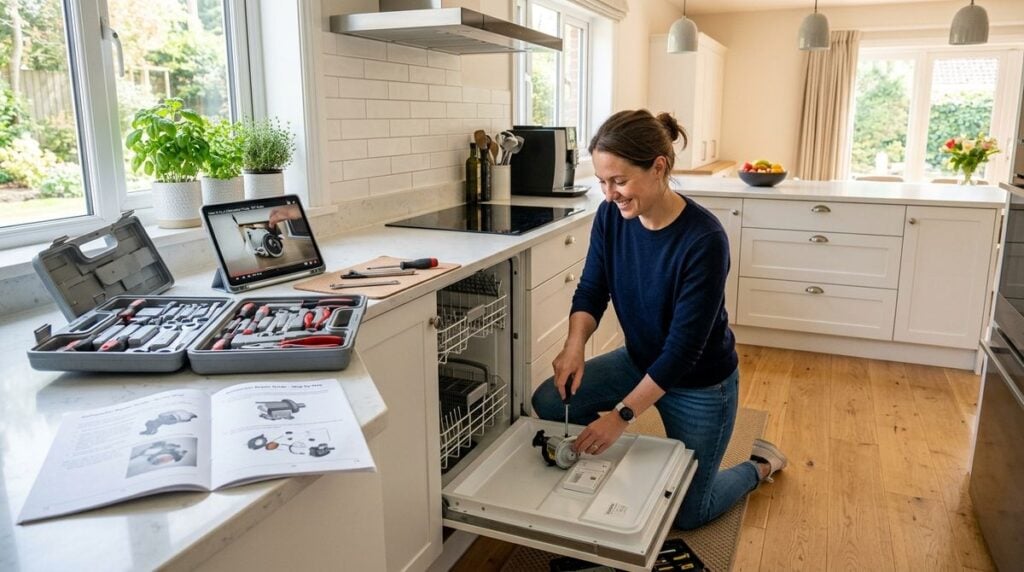
Content creation is the most effective way for an independent merchant to earn customer trust. Rather than relying on generic sales promotions, successful boutique owners focus on helpful teardowns, assembly guides, and straightforward tutorials. Taking the time to explain how an item functions proves that you understand your products on a practical level.
Publishing straightforward tutorials helps demystify complicated setups for newcomers who might otherwise feel intimidated by specialized gear. For example, niche resource sites like Geekay Vapes show how approachable walkthroughs and candid product reviews build credibility among beginners searching for clear answers. When your store provides similar clarity, customers view your catalog as a collection of trusted solutions rather than just inventory.
A crucial part of building trust is being transparent about product limitations. Every tool or device involves trade-offs regarding weight, learning curve, or maintenance needs. Pointing out who an item is not suitable for protects buyers from disappointing purchases. When customers see that you protect their interests, they trust your recommendations without hesitation.
Balancing Niche Authority with Broad Audience Discovery
Specialized terminology proves your expertise to insiders, but relying entirely on niche jargon can unintentionally drive away new prospects. Many people who could benefit from your products are unfamiliar with industry acronyms. A balanced retail approach uses simple, everyday language in introductory content while keeping advanced specifications accessible for dedicated hobbyists.
While deep technical guides satisfy existing hobbyists, discovering new customer segments requires understanding broader online reading habits and digital conversation trends. Spending time observing general interest platforms such as hotklix.com can give founders insight into the kinds of headlines, lifestyle stories, and casual discussions that capture general web traffic. Studying these broader patterns helps you adapt your niche messaging so that curious outsiders can easily find and understand your store.
Organize your articles into clear tiers. Introductory guides should explain basic concepts, primary benefits, and simple comparisons that anyone can understand. Advanced configuration walkthroughs can then guide readers who want deeper technical details. This structure welcomes casual visitors without overwhelming them on their first visit.
Managing Founder Energy and Operational Focus
Running a specialty retail venture while writing educational articles requires consistent daily discipline. Store owners easily get pulled into vendor communications, package fulfillment, product updates, and customer inquiries. Without firm boundaries, routine administrative tasks quickly consume the entire day, leaving little energy for research or writing.
Founders frequently get caught in an endless cycle of answering customer tickets, updating product listings, and monitoring social feeds late into the night. Scheduling regular mental breaks away from notifications is essential for maintaining creative stamina and sound business judgment. Setting aside dedicated quiet periods, much like the habits outlined in holding a quiet hour at home, gives entrepreneurs the uninterrupted space needed to reflect on long-term strategy rather than reacting to daily digital noise.
Set aside dedicated time blocks during the week strictly for content development. Treat these writing sessions with the same importance as supplier calls or tax filings. Guarding your focus guarantees that your educational library grows steadily alongside your product catalog.
Building Sustainable Customer Loyalty Over Time
Attracting a new customer takes considerable effort, making post-purchase support central to long-term success. An enthusiast’s relationship with your brand truly begins after their package arrives. Offering reliable assistance after the sale validates their purchase and confirms that your shop values their ongoing journey.
Establishing a few simple support routines can strengthen retention across your customer base:
- Send clear setup tips and maintenance suggestions shortly after an order arrives.
- Provide an easy reference list for common troubleshooting questions and replacement parts.
- Encourage buyers to share photos and descriptions of their completed projects.
- Suggest thoughtful upgrade options only when a customer is ready for the next stage.
When shoppers know they can count on your business for prompt assistance, they have no reason to shop at impersonal retail outlets. Over time, satisfied buyers become enthusiastic ambassadors who share your store with fellow hobbyists. This steady word-of-mouth creates a resilient enterprise capable of thriving over the long term.
Building an enthusiast retail brand requires patience, curiosity, and an authentic commitment to customer education. By offering practical guides, transparent product assessments, and attentive post-sale care, independent founders can create a distinctive presence in competitive markets. Treating your store as a trusted community resource transforms first-time buyers into loyal patrons.