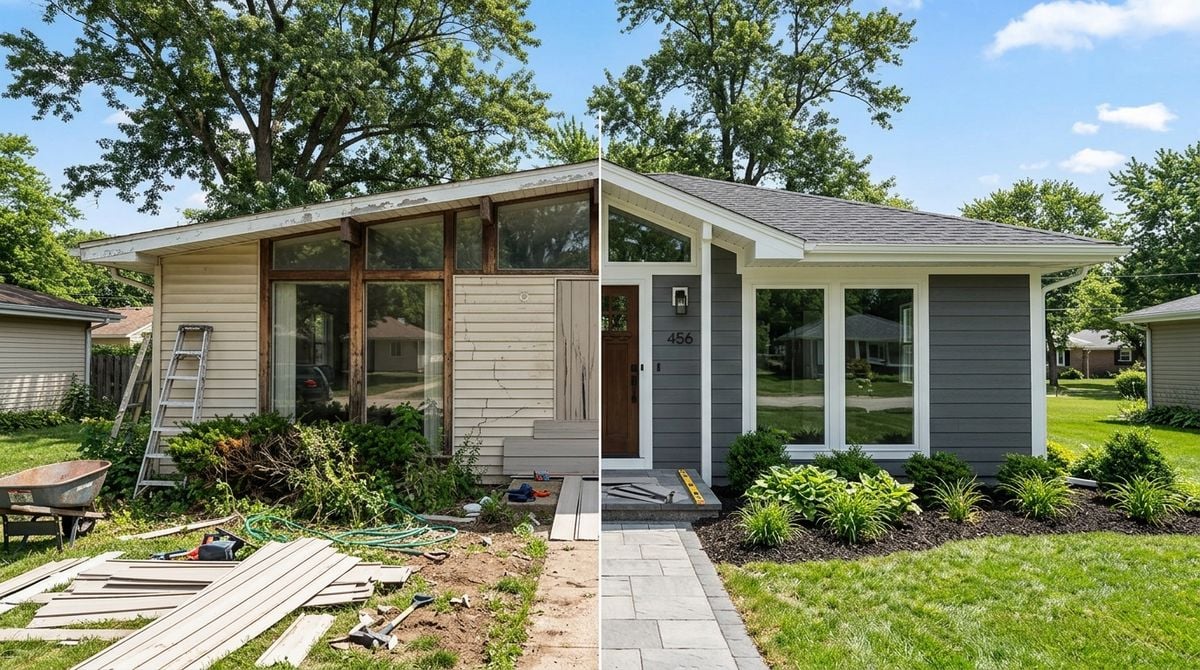

Home repair quotes can look comparable while describing very different work. One may include preparation, disposal, and a clear guarantee, while another lists only labor and basic materials. Comparing the bottom-line total without examining scope can lead to surprise costs or an incomplete repair.
A quote comparison is a tool for asking better questions, not a substitute for qualified inspection. For structural, electrical, gas, plumbing, roofing, hazardous-material, or other safety-sensitive work, use properly qualified professionals and follow requirements in your area.
Give providers the same starting information
Describe the problem, property area, known history, access limits, and desired outcome consistently. Share relevant photographs or reports without prescribing a repair you are not qualified to design. Invite the provider to inspect when a sound quote requires it.
Readers may also want to visit androidmir.net. Avoid relying solely on lead-generation profiles or anonymous reviews. Confirm insurance, authorization, and business identity through appropriate sources.
Ask each provider to separate diagnosis from optional improvements. A low quote that treats only a visible symptom may not be comparable with one that addresses an identified cause.
Normalize the scope in a comparison sheet
Create rows for labor, materials, quantities, product specifications, preparation, protection, access equipment, permits, disposal, cleanup, restoration, timing, payment stages, and guarantees. Mark missing information as a question rather than assuming it is included.
Check each quote for:
- A clear description of the problem and proposed work.
- Material type, grade, quantity, and permitted substitutions.
- Start assumptions, estimated duration, and site access needs.
- Preparation, protection, cleanup, and waste responsibility.
- Permit, inspection, and specialist responsibilities.
- Payment schedule, change process, and written guarantee terms.
You can also visit 10printers for more reading. General comparison methods cannot determine whether a proposed repair is safe or legally sufficient.
Evaluate risk, communication, and disruption
Consider how each provider explains uncertainty. Some problems cannot be fully seen until work begins, but the quote can still state likely discoveries, investigation limits, rates, and the approval process for changes. Refusal to document important promises is a warning sign.
Note the household impact: water or power shutdowns, room access, dust, noise, pets, security, and weather exposure. For a related read on this site, see A Return-Policy Checklist Before Buying Household Goods. Send the same clarification to providers when it changes the basis of comparison.
Check references relevant to similar work. Ask how changes and problems were handled, not only whether the final result looked good. Verify current credentials independently and be cautious about pressure to decide immediately or pay a large amount without clear safeguards.
Choose and document deliberately
The best value may not be the lowest or highest total. It is the option that provides an appropriate, understood scope from a credible provider at a cost and schedule the household can manage. If every quote exceeds the plan, discuss safe phasing, revised scope, or timing with qualified people rather than silently removing essential work.
Before accepting, ensure the final written agreement reflects clarifications, responsibilities, product choices, payment stages, change authorization, access, cleanup, and guarantees. Keep copies of the quote, checks, contract, payments, approvals, photographs, and completion documents.
During the project, compare requested changes with the agreed scope. Do not rely on memory at the doorway. A disciplined comparison takes time, but it helps a household understand what it is purchasing and reduces the chance that an attractive initial number conceals a materially different job.
Plan how completion will be judged before work starts. Depending on the job, this may include demonstrations, inspection approval, photographs of hidden stages, manuals, spare materials, disposal records, or a written list of remaining items. Walk through the result in adequate light and ask how to operate and maintain it. Do not withhold an agreed payment without a valid basis, but do not sign a completion statement you have not had a reasonable chance to review. Store provider details with the repair record so a future household member can trace products, guarantees, and decisions without reconstructing them from bank transactions.
If the quotes remain far apart after clarification, ask why. One provider may have identified additional damage, specified a different material, or included access work another overlooked. The explanation matters more than splitting the difference. Obtain further qualified assessment when the competing scopes imply different safety conclusions.
Give every provider the same chance to correct a clerical omission before ranking the offers, and keep revised quotes clearly dated to prevent confusion.