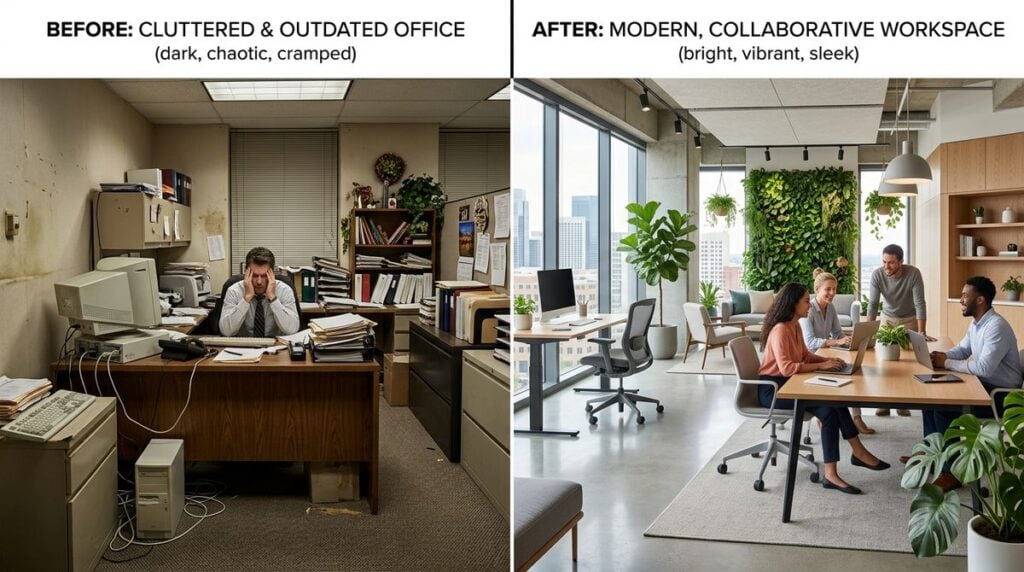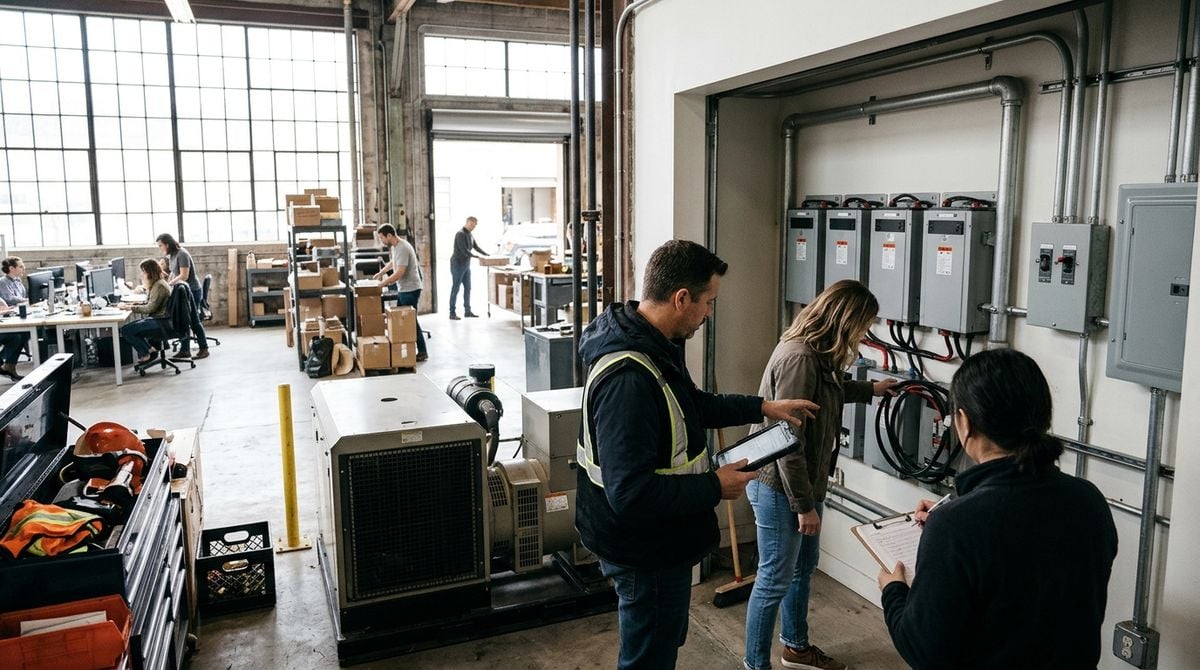

Growing a food enterprise requires balancing physical production with mounting administrative duties. In the early stages, founders often handle order processing, invoicing, vendor check-ins, and client support directly from the kitchen floor or warehouse desk. As order volumes expand and retail relationships multiply, running office functions inside a busy packaging facility creates unnecessary bottlenecks.
Modern food brands increasingly separate physical manufacturing from corporate administration. By shifting administrative, accounting, and coordination duties to a distributed workforce, companies preserve valuable facility space for production and fulfillment. This operational model also grants access to talented professionals regardless of geographic proximity to the manufacturing plant.
While moving administrative duties off-site offers significant operational agility, it requires intentional coordination. Founders who have already mastered structuring resilient operations teams understand that physical distance demands clearer documentation, disciplined communication rhythms, and well-defined accountability. Establishing an effective remote back office allows culinary leaders to protect kitchen productivity while maintaining flawless executive oversight.
Separating Physical Production from Office Workflows
Food production facilities are high-tempo environments governed by sanitation standards, inventory turnover, and worker safety. When administrative duties take place in the same physical space, desk-based tasks frequently get interrupted by immediate floor crises. An urgent shipping issue or mechanical breakdown easily pulls an office coordinator away from vital bookkeeping or compliance tracking.
Decoupling these domains establishes healthy operational boundaries. Kitchen personnel focus strictly on recipe adherence, batch tracking, sanitation schedules, and packaging efficiency. Meanwhile, remote administrative specialists handle purchase orders, freight scheduling, distributor deductions, and retail partner inquiries without distraction.
To implement this division, founders should map every weekly administrative process. Cataloging each recurring office task reveals which responsibilities require physical touch and which can be managed entirely through digital workstations. Tasks such as data entry for recipe costs, accounts payable, ingredient reorder reminders, and general retailer onboarding naturally thrive in a quiet, focused remote environment.
Establishing Clear Protocols for Off-Site Coordination
Running an off-site administrative division requires structured communication habits. When team members cannot simply walk across the room to ask a question, informal verbal agreements must be replaced by documented operating procedures. Standardized digital forms and shared tracking dashboards ensure that information flows seamlessly between the physical packaging plant and the remote office.
Daily alignment check-ins are crucial for distributed groups. A brief morning update allows the facility manager to report on production targets and batch runs, while remote order coordinators share incoming wholesale demands. This ensures that the off-site staff never sells inventory that has not passed physical quality assurance.
For entrepreneurs seeking practical frameworks on managing distributed desk staff and remote team logistics, reviewing resources from work-at-home-net-guides.com provides sensible tactics for structuring home-based workstations and daily workflows. Equipping off-site staff with secure access protocols and dependable digital communication channels prevents operational silos from forming.
Document management also deserves dedicated attention. Centralizing digital folders for bill of lading slips, ingredient certificates of analysis, supplier insurance policies, and distributor price lists ensures that both remote managers and on-site staff access identical data in real time.
Streamlining Vendor and Customer Communications
As food brands grow into regional and national distribution networks, customer service inquiries increase dramatically. Inquiries range from consumer questions about allergens and retail availability to distributor inquiries regarding delivery timeframes and invoice reconciliations. Managing these inquiries requires specialized attention that on-site production teams rarely have time to deliver.
A distributed customer care unit acts as an essential buffer for production leadership. Remote team members monitor shared inbox channels, respond to inbound consumer queries, and escalate logistics issues before they become costly retailer penalties. By standardizing message templates, brands maintain a unified brand voice across every customer touchpoint.
To keep customer support and vendor coordination consistent across distributed channels, food enterprises should implement several essential practices:
- Maintain a single shared ticketing inbox for all wholesale inquiries and customer feedback.
- Establish a documented master answer repository covering product ingredients, shelf life, and storage requirements.
- Schedule designated handoff windows where remote staff and warehouse leads resolve delivery discrepancies.
- Review weekly inquiry themes to identify packaging defects or recurring distributor friction points early.
When these communication channels function predictably, retailers experience prompt responses and consumers receive thoughtful assistance. Consequently, production crews remain entirely dedicated to making consistent, high-quality food products.
Developing Leadership and Accountability Across Distance
Managing remote administrative personnel calls for leadership approaches focused on outcomes rather than physical presence. In traditional kitchen settings, managers evaluate progress by visual observation and completed physical output. For off-site administrative roles, leaders must define objective indicators such as on-time invoice processing, error-free order entry, and rapid ticket resolution.
Transitioning from direct physical supervision to distributed executive management can be challenging for hands-on culinary entrepreneurs. Founders often struggle to delegate corporate authority while maintaining tight quality standards across their expanding organizational footprint.
Engaging seasoned executive guidance through Search-Zero assists founders in refining leadership methodologies, building strategic accountability, and mastering the delegation skills needed to direct business operations as companies grow. Developing these executive capabilities helps business owners shift from reactive problem solvers to confident strategic directors.
Effective leaders schedule regular one-on-one reviews with off-site staff. These sessions should focus not only on task completion, but also on process refinement, workload distribution, and professional development. When remote team members feel heard and supported, organizational loyalty deepens and administrative turnover drops.
Integrating Financial and Compliance Systems
Back-office operations in the food industry carry significant regulatory and financial responsibilities. Managing food safety documentation, organic certifications, lot traceability files, and regional sales tax filings requires meticulous accuracy. When handled remotely, these systems must integrate tightly with warehouse enterprise records.
Cloud-based accounting software allows distributed bookkeepers to reconcile bank accounts, match purchase orders against received goods, and monitor accounts receivable without touching paper ledgers. Automated digital approvals ensure that production managers verify receipt of physical ingredients before remote accountants release vendor payments.
Compliance tracking benefits equally from centralized digital archives. When inspectors or third-party auditors request verification of temperature logs or supplier audits, remote compliance managers can extract and compile verified digital files immediately. This prevents plant managers from spending hours searching through physical binders during critical inspection visits.
Sustaining Culture and Operational Flow for the Long Haul
A divided structure between physical factory floors and home-based workstations can inadvertently foster an isolated mindset if left unmanaged. Kitchen workers might feel that remote administrative colleagues enjoy greater flexibility, while remote workers may feel disconnected from the brand’s tangible product mission.
Thoughtful leadership actively bridges this divide. Founders can organize regular joint meetings where team achievements are celebrated collectively. Sharing customer praise letters with kitchen staff and providing remote team members with fresh sample batches keeps every contributor connected to the culinary product that fuels the enterprise.
Cross-training initiatives also build mutual appreciation. Inviting remote coordinators to observe manufacturing processes periodically deepens their comprehension of production lead times, packaging constraints, and warehouse storage realities. In turn, factory supervisors gain appreciation for the meticulous billing, sales coordination, and customer care required to generate sales orders.
Building a successful food company requires harmony between culinary craftsmanship and back-office precision. By intentionally designing remote administrative workflows, investing in structured communication tools, and nurturing a unified company culture, food founders create durable organizations capable of sustainable expansion.