
Innovation in private island hospitality is not defined only by amenities, access, or exclusivity. In the Exumas, innovation also depends on restraint, environmental awareness, cultural respect, and a planning model that supports long-term regional value. Sampson Cay, a private island development in the Exumas, The Bahamas, developed by Yntegra in partnership with Rosewood Hotels & Resorts, reflects that approach through a low-density framework designed around responsible luxury and place-based hospitality.
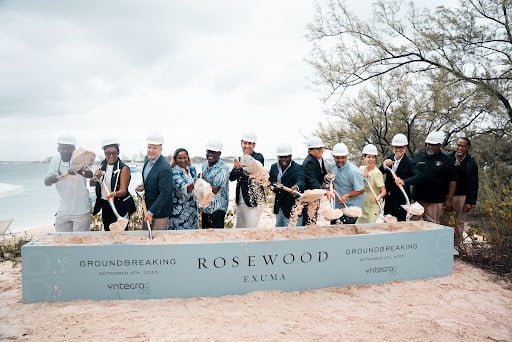
The idea behind Sampson Cay responsible hospitality model is that island living should be connected to the setting that makes it valuable. Rosewood Exuma brings hospitality, branded residences, marina access, wellness, and destination experiences into one planning framework, while maintaining focus on environmental stewardship, Bahamian participation, and the natural character of the Exumas.
Rosewood Sampson Cay And Responsible Island Living
Responsible island living begins with the understanding that private island development is different from mainland resort development. Land area is limited, infrastructure decisions carry long-term consequences, and the relationship between built space and marine systems is especially close.
Rosewood Sampson Cay is positioned within that context as a responsible luxury development rather than a high-density hospitality model. The project’s planning approach emphasizes quality, restraint, and longevity over scale. That distinction supports a guest and owner experience shaped by the island setting rather than imposed on it.
Innovation in this context is not technology for its own sake. It is the integration of design, operations, guest experience, cultural identity, marina access, and environmental stewardship into a coherent development model.
Sampson Cay As A Low-Density Hospitality Model
Low-density planning is central to responsible private island development. It can reduce development intensity, support open space, and help maintain the visual and environmental character of an island destination. In the Exumas, those considerations are closely tied to responsible tourism.
The Sampson Cay island living framework reflects that principle by placing planning discipline ahead of scale. A low-density approach supports hospitality, residences, wellness, dining, and marine access without making volume the defining measure of value.
This matters because the appeal of the Exumas is not based on density. It is based on water, landscape, privacy, boating culture, and a sense of place that cannot be manufactured through design alone. A restrained planning model helps protect those qualities while supporting a refined hospitality experience.
Rosewood Exuma And A Sense Of Place
Rosewood Hotels & Resorts is associated with A Sense of Place, a hospitality philosophy that emphasizes the character of each destination. For Rosewood Exuma, that principle is especially relevant because the Exumas have a distinct identity shaped by marine life, island communities, yachting routes, local culture, and natural beauty.
The Sampson Cay Rosewood Exuma partnership supports a development model that connects brand standards with regional character. Guest programming, wellness, dining, marine activities, and service experiences can be shaped around The Bahamas rather than treated as generic luxury features.
A place-based hospitality model also supports cultural integrity. The strongest private island experiences are not detached from their surroundings. They are informed by the local environment, regional traditions, and the people and businesses connected to the destination.
Marina Access, Wellness, And Responsible Guest Experience
Marina and yachting infrastructure are part of the innovation in island living theme. In the Exumas, boating access is not secondary to the destination experience. It is one of the ways visitors move through the region and engage with the surrounding waters.
A marina within a responsible hospitality framework should be understood as more than functional infrastructure. It supports arrival, movement, service coordination, and the broader relationship between guests and the marine setting. When planned as part of an integrated island environment, marina access can reinforce the project’s connection to the Exumas.
Wellness, destination dining, beach club experiences, and curated hospitality programming work in a similar way. They are most credible when they reflect the island setting and the character of The Bahamas rather than relying on a standardized resort template.
Bahamian Participation And Local Economic Opportunity
Responsible hospitality also includes economic opportunity. A private island development can support local value through construction employment, operational roles, supplier engagement, marine services, hospitality training, food and beverage sourcing, and cultural programming.
The project’s positioning includes engagement with Bahamian suppliers and local businesses, along with job creation through construction and operations. These elements help connect hospitality investment with the communities and businesses that contribute to the region’s long-term tourism economy.
Bahamian participation also strengthens the guest experience. A hospitality model grounded in local knowledge, cultural respect, and regional identity is better aligned with Rosewood’s A Sense of Place philosophy and with the expectations of travelers seeking an experience connected to the Exumas.
Environmental Stewardship In Private Island Development
The Rosewood Exuma Development environmental impact discussion should remain grounded in planning principles rather than unsupported claims. Responsible development in a private island setting requires attention to land use, marine and terrestrial ecosystem awareness, infrastructure intensity, and long-term stewardship.
The development framework for Sampson Cay emphasizes environmentally conscious planning, low-density design, and the engagement of leading international consultants and specialists. Those elements support a measured approach to private island hospitality.
Environmental stewardship also connects to the guest experience. The waters, landscapes, and natural character of the Exumas are not separate from the development’s value. They are part of the reason a responsible hospitality model matters.
Innovation As A Responsible Hospitality Principle
Innovation in island living is most credible when it is practical, place-based, and connected to long-term stewardship. For Rosewood Exuma, that means planning hospitality, branded residences, marina infrastructure, wellness, dining, and guest experiences as part of one integrated private island framework.
The benchmark quality of the project should be understood through that integration. Responsible hospitality is not a single feature. It is a way of organizing development decisions around the island setting, Bahamian economic opportunity, cultural integrity, and environmental awareness.
A modern private island development in The Bahamas should be measured by how thoughtfully it fits within its region. In that respect, the project reflects a refined approach to island living: restrained in scale, connected to place, and structured around responsible hospitality.
About Sampson Cay
Sampson Cay is a private island development in the Exumas, The Bahamas, developed by Yntegra in partnership with Rosewood Hotels & Resorts. The project includes a Rosewood-branded resort, branded residences, marina infrastructure, destination dining, wellness amenities, and a low-density planning model designed around responsible luxury, innovation in island living, and environmental stewardship. Sampson Cay emphasizes Bahamian community engagement, local supplier participation, cultural integrity, marine and terrestrial ecosystem awareness, and a planning approach aligned with the natural and cultural setting of the Exumas. Additional information is available through Sampson Cay private island development.